An article published on Monday (25) in the magazine Physical Review Letters It reveals that the most powerful electrons of the cosmic ray (CRE) already detected from sources surprisingly near the Earth. The research, carried out by scientists from the Hess Observatory in Namibia, recorded particles with energies of up to 40 electrons.
According to the study, these particles must have caused only one thousand light years from the solar system, a minimum distance compared to the size of the Milky Way.
Earth is bombed by cosmic rays
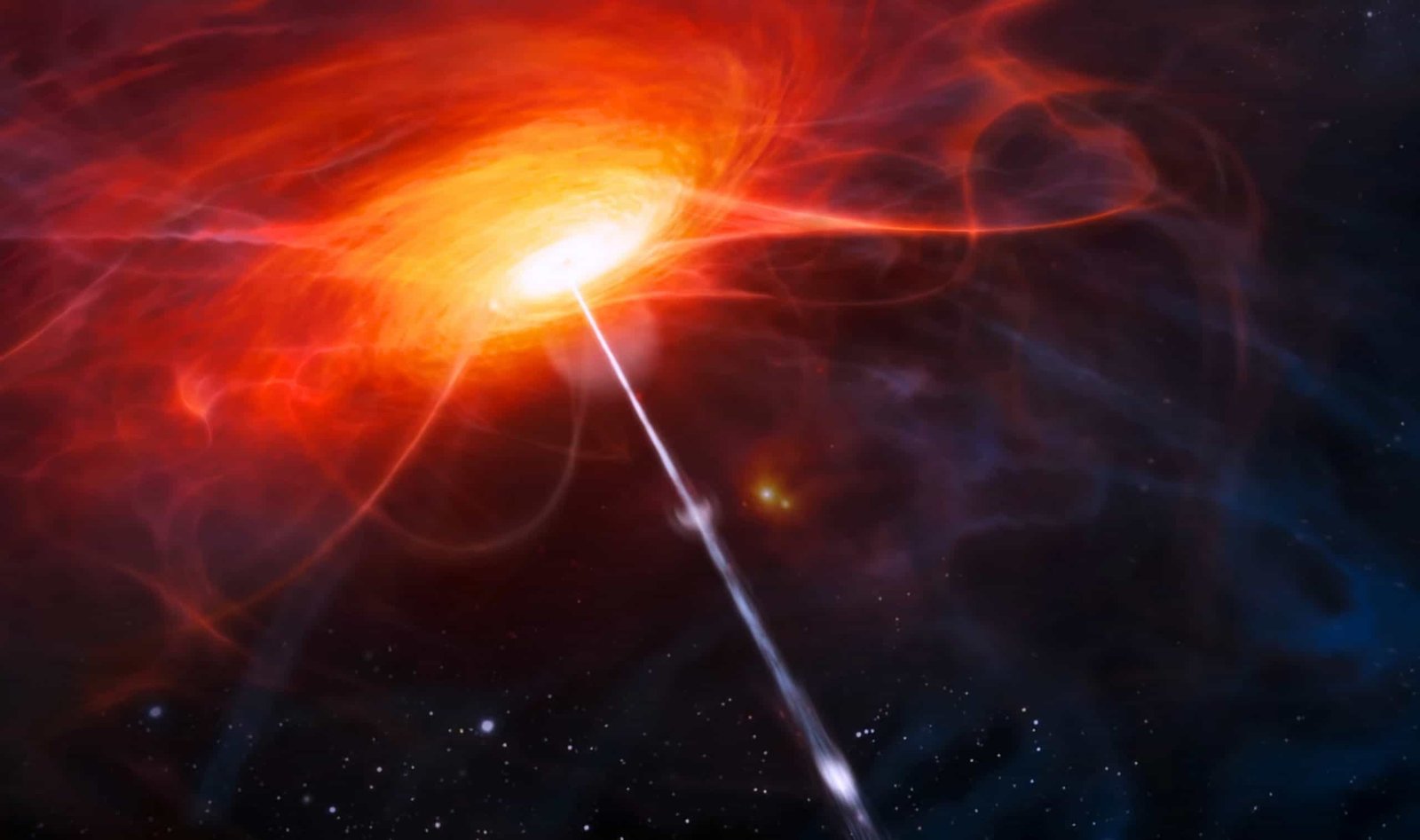
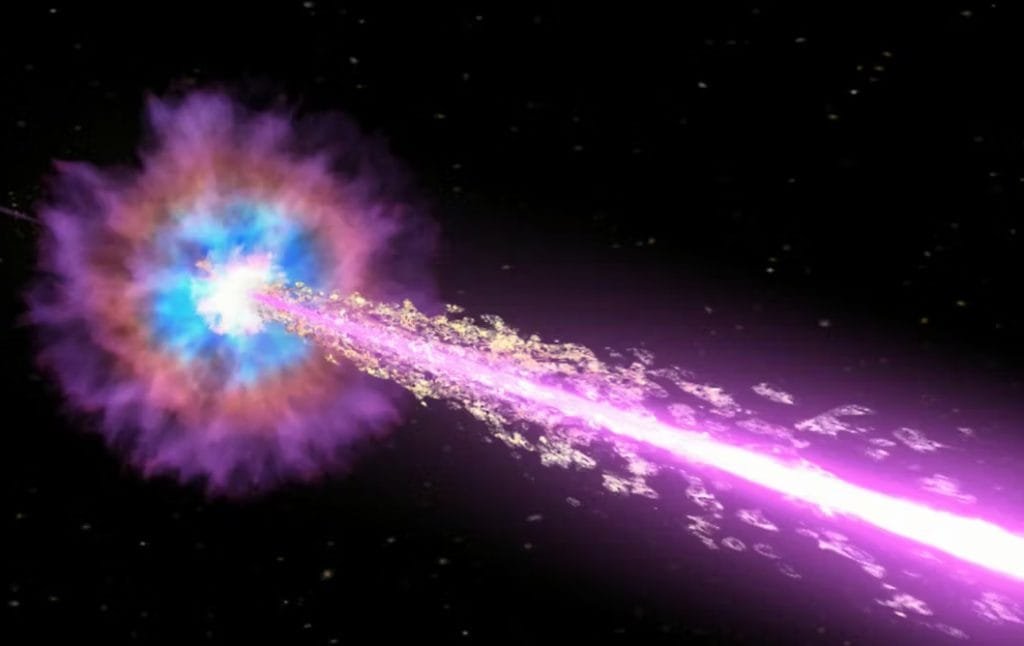
Although protected by the atmosphere, the Earth is constantly exposed to the impact of cosmic rays. These high -energy particles travel through the space fired by extreme phenomena such as supernovae, black holes and pulse.
The Hess Observatory is designed to capture Cherenkov’s radiation. This phenomenon occurs when the particles exceed the speed of light in the atmosphere, producing a weak but detectable glow. In a statement, the study’s authors said that this capture sensitivity was what allowed CRE’s mapping.
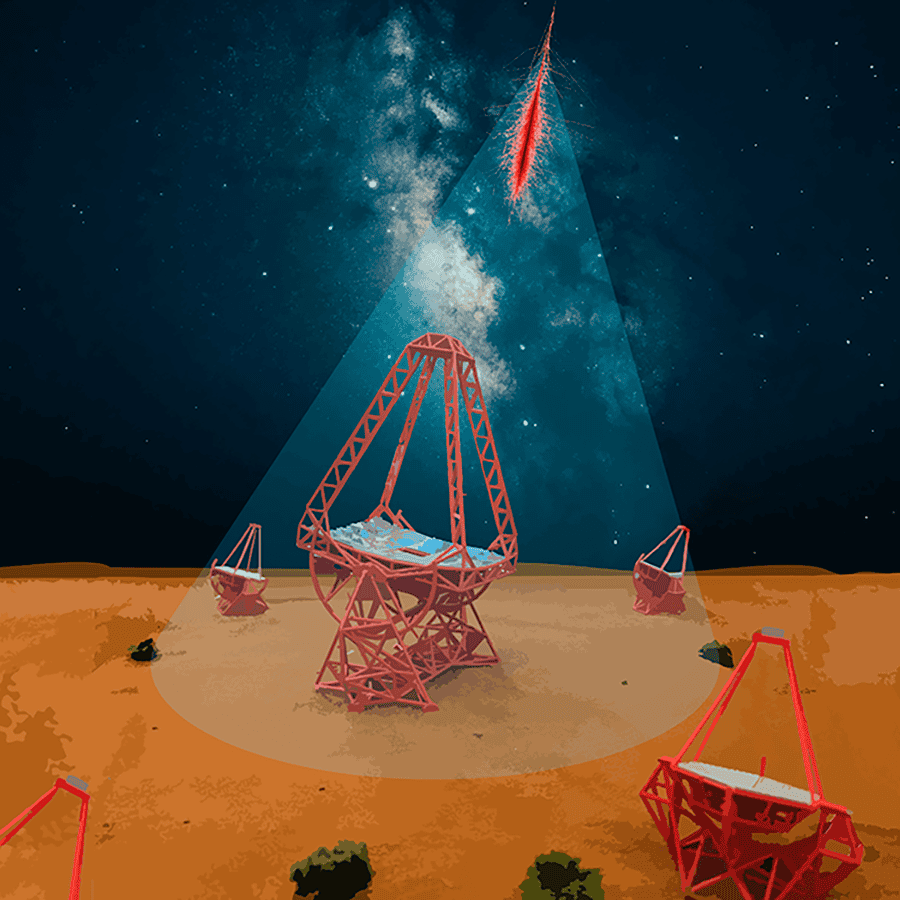
Still, it wasn’t simple. Gama rays, which also produce Cherenkov’s radiation, make the process more difficult. “The range rays travel directly to the universe, while electrons have chaotic trajectories due to interaction with magnetic fields,” Mathieu de Naurois, from the National French Scientific Research Center, corresponding author of the research.
After analyzing Hess’s data, scientists were able to isolate candidates for CRE and make statistical inferences on their characteristics.
They suggest that among the possible sources of these crosses is the remnant of the monoge ring of Supernova, the Velor de Wolf-rayet γ2 or pulse such as the candles and the route. Another hypothesis is that an old supernova has dispelled, making its location undetectable.

An intriguing detail is the cut observed in the CRE’s energy spectrum, which begins at 1.17 electron flights. “This indicates that only some sources, or even one, are producing these electrons,” he said. If there were many sources, according to him, the energy spectrum would be softer, reflecting the sum of the contributions of different places.
Read -Ne More:
Electrons lose power to long distances
The study also found that they believe that they quickly lose energy while traveling through space. In the synchrotron radiation process, they interact with interstellar magnetic fields, which radiate energy in the form of electromagnetic waves. In the opposite spread of Compon, these particles transfer energy to low energy photons, leading to an additional reduction in their power. Therefore, CRE detected must have come from regions relatively close to maintaining this energy when it reaches Earth.
These discoveries represent a milestone in the understanding of high energy particles. “Our measurement fills a crucial emptiness in the energy spectrum, offering data that will be reference for years,” said Naurois.
Continuing the analysis, the team will investigate if there are preferred directions for Cre CRE, which can help identify their sources. Despite the challenges, this advance brings scientists closer to understanding how extreme phenomena energizes the universe.