
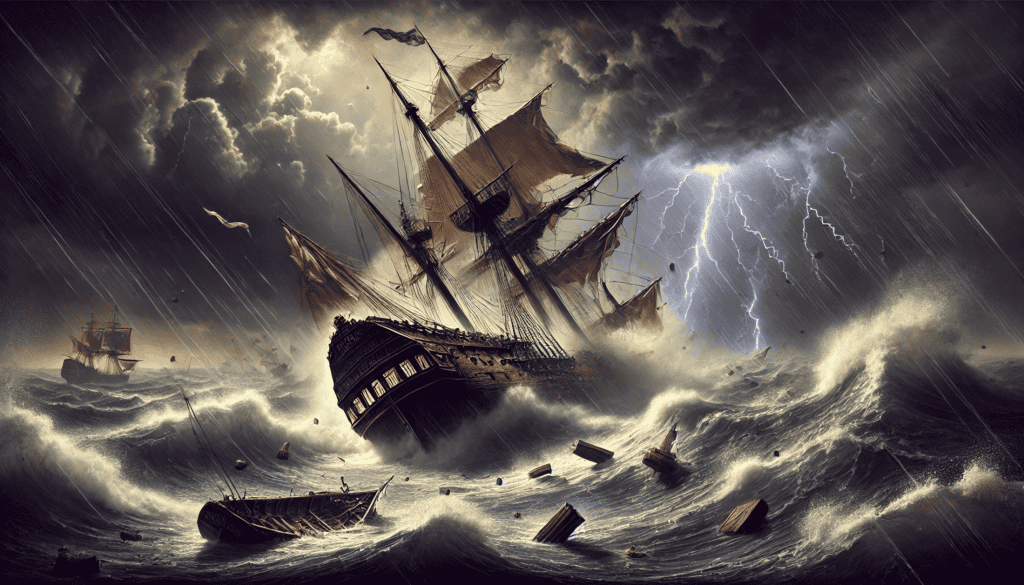
The remains of the boat were located in 2013 in the Indian Ocean and a new study reinforces the hypothesis that this is São Jorge
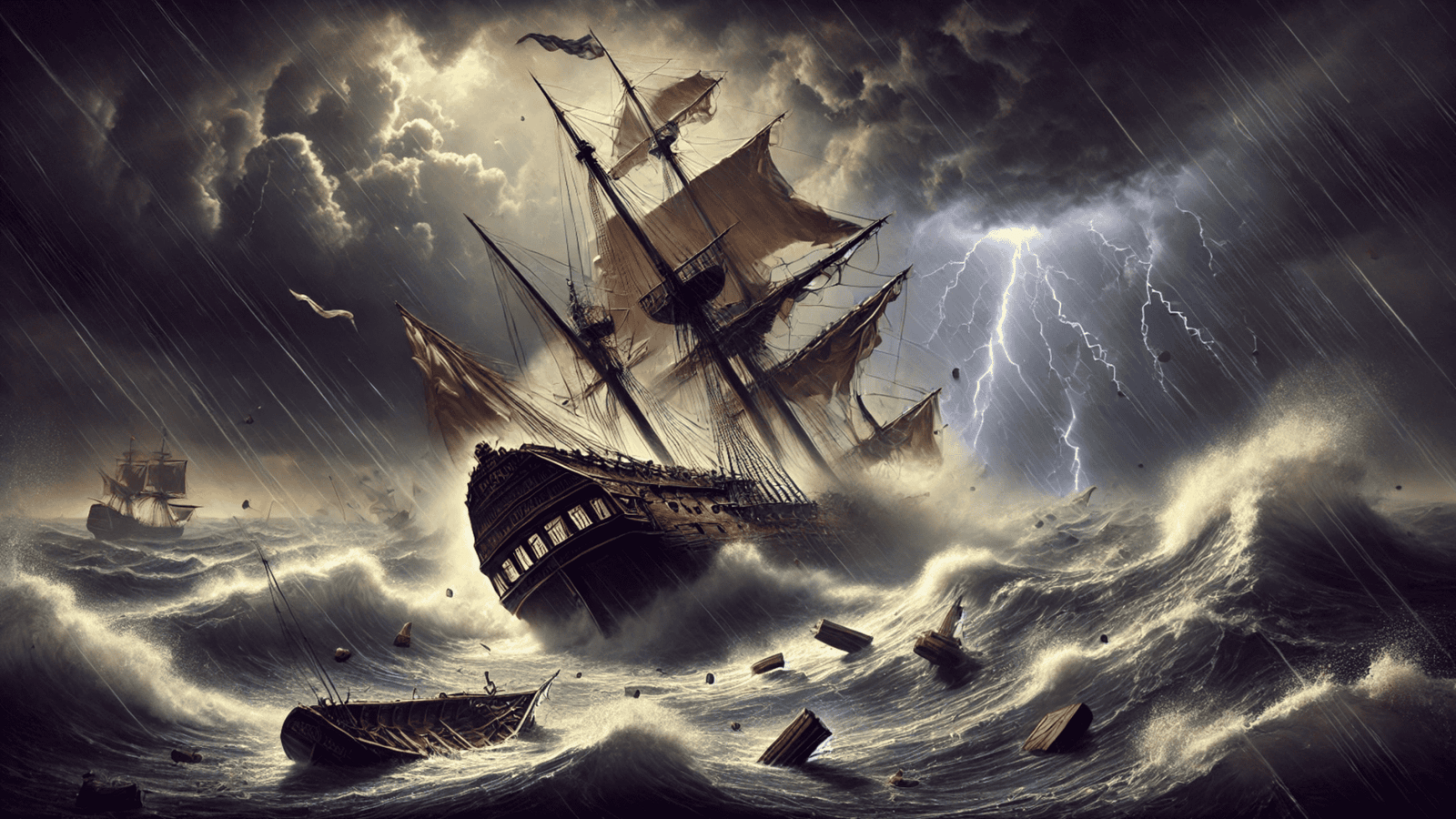
The boat sank in 1524 during one of the trips of the famous Portuguese browser Vasco da Gama. If she is, this would be the first European wreck in the Indian Ocean.
Wreck is “a treasure”
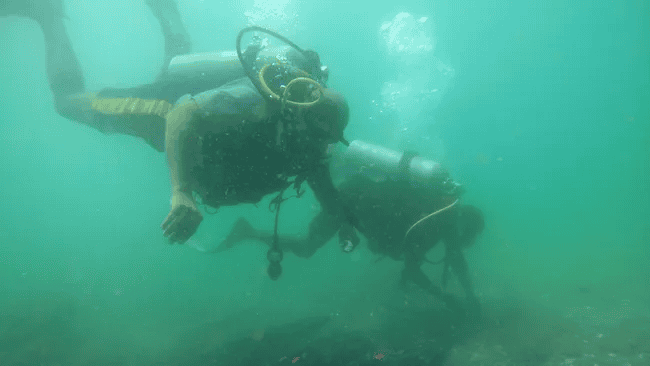
- During the work, researchers conducted archeological research from coral reefs extending to the north of Malindi in Ras Ngomeni, Kenya, at a distance of about 25 kilometers.
- However, it was still not possible to confirm that the ship in question is really São Jorge.
- New research will be performed at the site to decipher this mystery.
- However, the maritime archeologist at the University of Coimbra and one of the authors of the study, Filipe Castro, classified the wreck as “unique” and a “treasure”.
- Keny authorities have even stated interest in creating an underwater museum on the site.
Read -Ne more
Browser’s explorations were the basis of the Portuguese trade empire in India
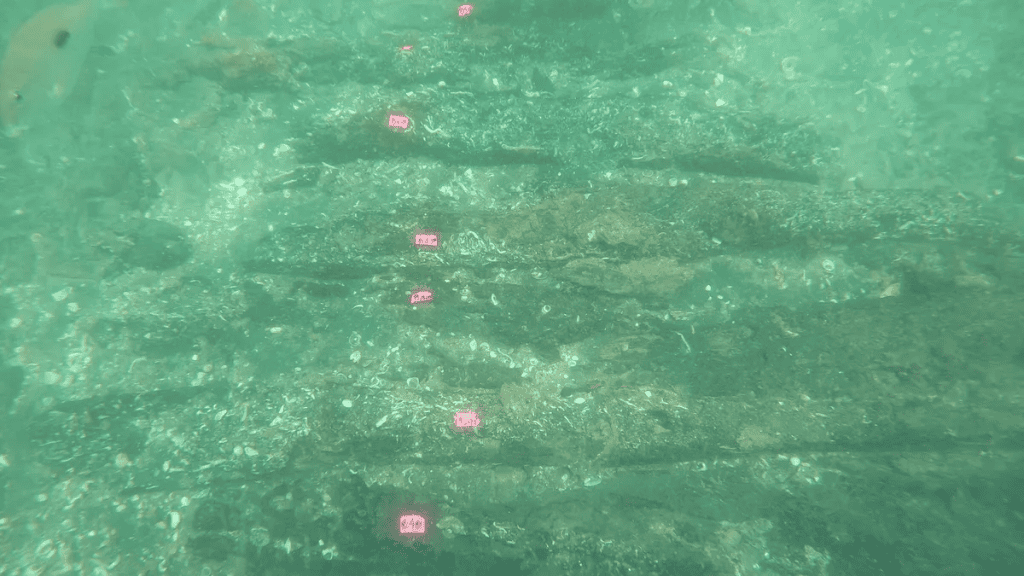
According to a study, published in the Journal of Maritime Archeology, the wreck is about 500 meters from the coast, at a depth of about six meters. You cannot see little among the corals at the bottom of the sea, but researchers managed to excavate the wood and the structure of the boat.
Vasco da Gama lived from 1469 to 1524 and pioneered the route from Europe to the Indian Ocean in 1497, when his ship was the first to circumvent the Cape of Boa Esperanza, in the southern end of Africa. The Portuguese explorer made three more trips along the route before his death in India, possibly due to malaria.
St. George was one of the nearly 20 vessels that joined Vasco da Gama for his last trip in 1524, but sank shortly before his death. The new study suggests that it was one of the first two ships sinking, followed by the Nossa Senhora da Graça ship, which sank in 1544.