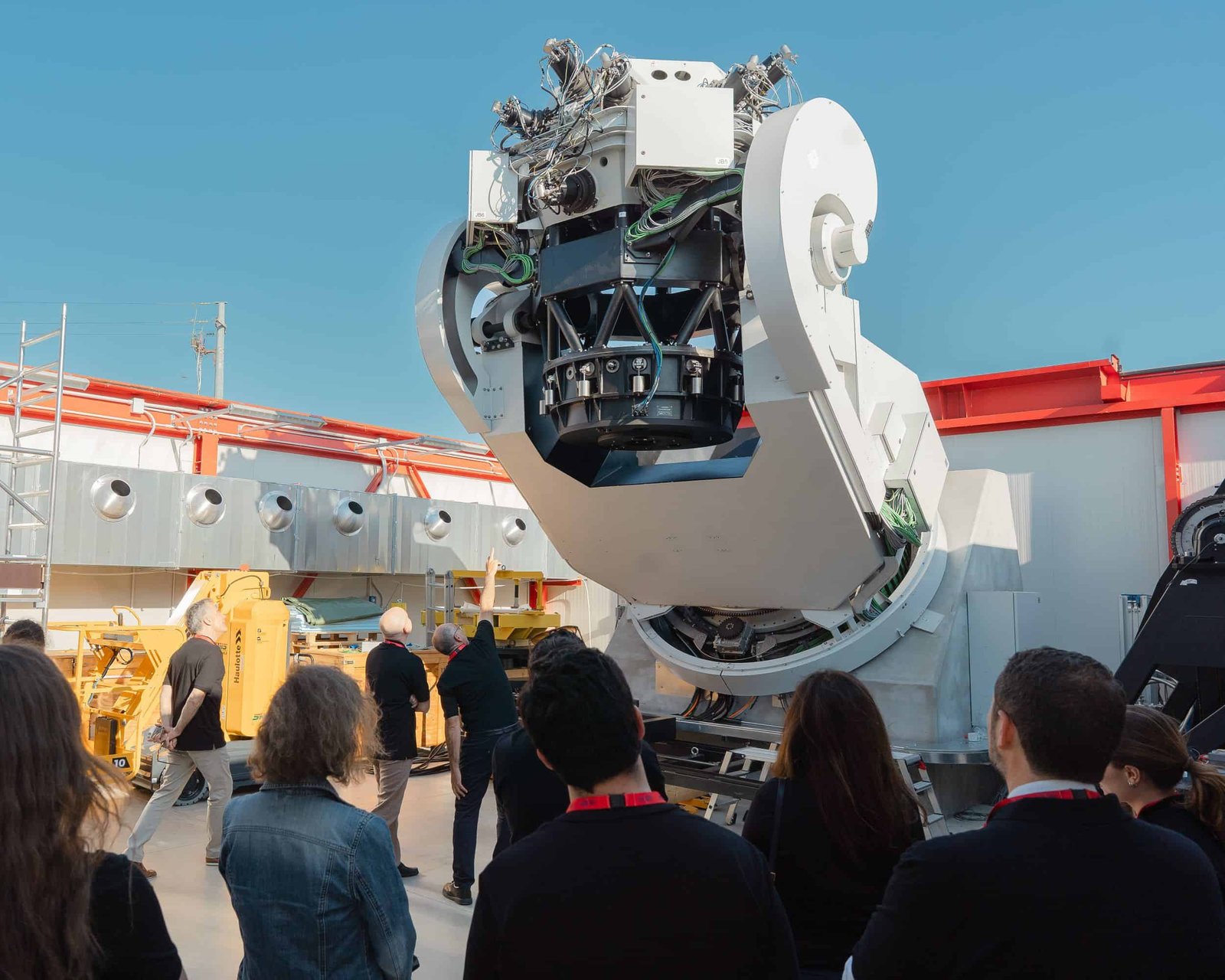
It European Space Agency (ESA) inaugurated his new planetary defender: the Flyye telescope. The instrument will be responsible for exploring the asteroids and quotation skies too close to the Earth and can affect the planet.
“We are working to ensure that Europe has the ability to detect dangerous asteroids over 40 m a few weeks before a possible impact,” said Holger Krag, head of the ESA’s space safety program in a statement.
Flyye is the first of four telescopes to work together to identify the -Called sound Objects near the Earth (neos). When a suspicious spatial body is detected, specialized software will process images and observations will be analyzed by astronomers.
If the danger is confirmed, the team will broadcast an alert to the center of the smallest planets, where a group will do in depth studies to understand the space object and its possibility of collision.
“The sooner we see potentially dangerous asteroids, the longer we have to evaluate them and, if necessary, to prepare an answer,” said Richard Moissl, head of the ESA Defense Office.
The telescope has “fly eyes”
Flyye – “Mosca Eye” in free translation – is inspired by the compound eyes of insects. Its structure has a primary mirror of a meter that captures the incident light. Then this light separates 16 different channelsEach with a camera capable of detecting small objects, as if they were the various eyeballs in a fly.
This optical optical design allows the telescope to perform large surveys in the night sky, maintaining the quality of the image. The new equipment will capture a Sky Region more than 200 times larger than the full moon According to a single exhibition, far beyond a conventional telescope, according to ESA.
“The extremely wide field of view of Flyye telescopes will allow us to scan the night sky in search of interesting or dangerous objects much faster than before,” said Moissl.
Read -Ne More:
Flyye will work in groups
Throughout the operations, Flyye will be optimized to consider factors such as the lunar shine and the work of other research teams. The new instrument will take into account telescopes such as Atlas, NASA funded, Zwicky Transient Facility and the future Vera Rubin Vera Rubin telescope.
In addition to collaborations, new teams of the same model will be opened. “In the future, to Up to four Flyye telescopes Distributed in the North and South hemispheres will work together to improve the speed and integrity of these automatic sky surveys, “said Ernesto Doelling, responsible for the Flyye project.
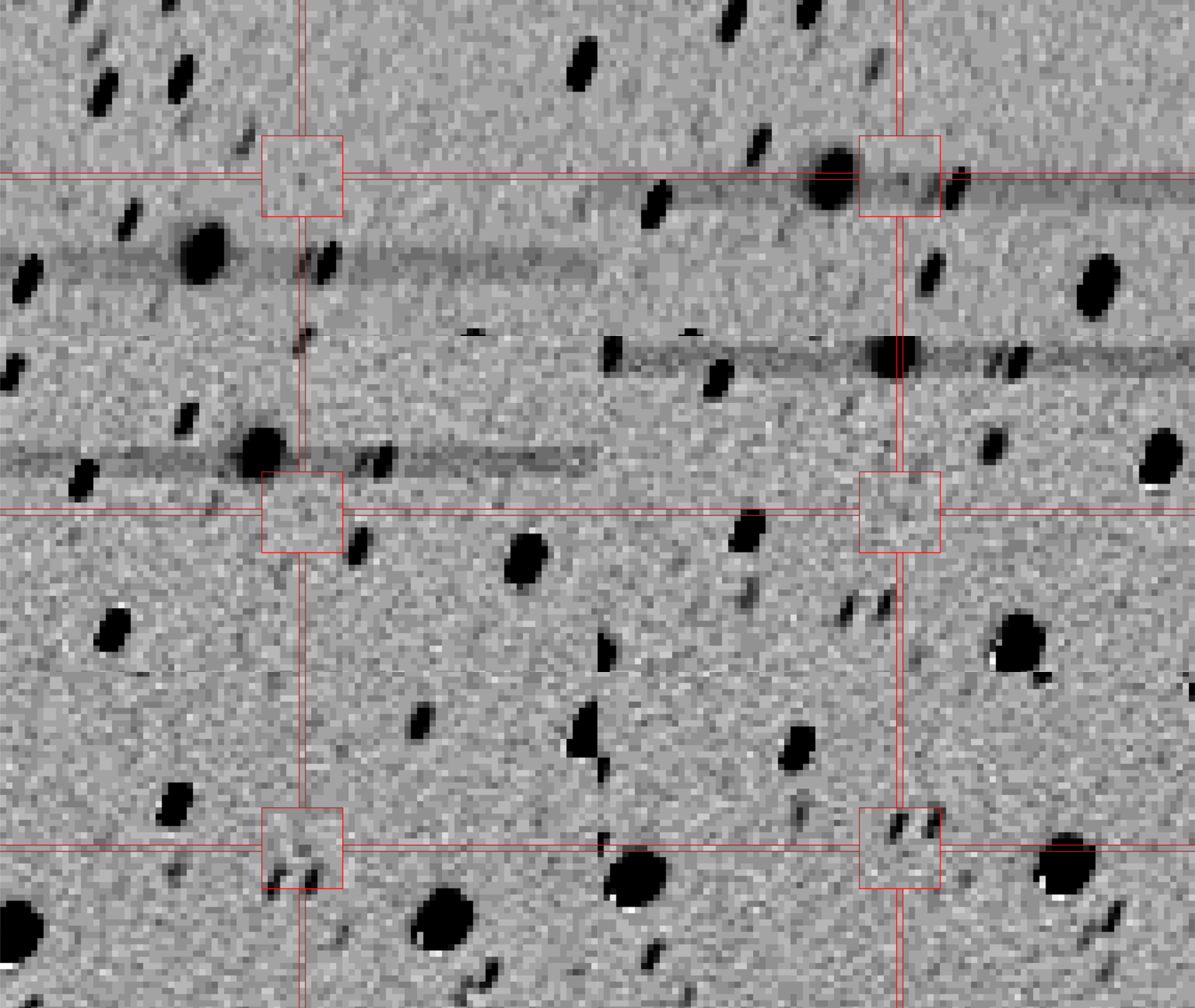
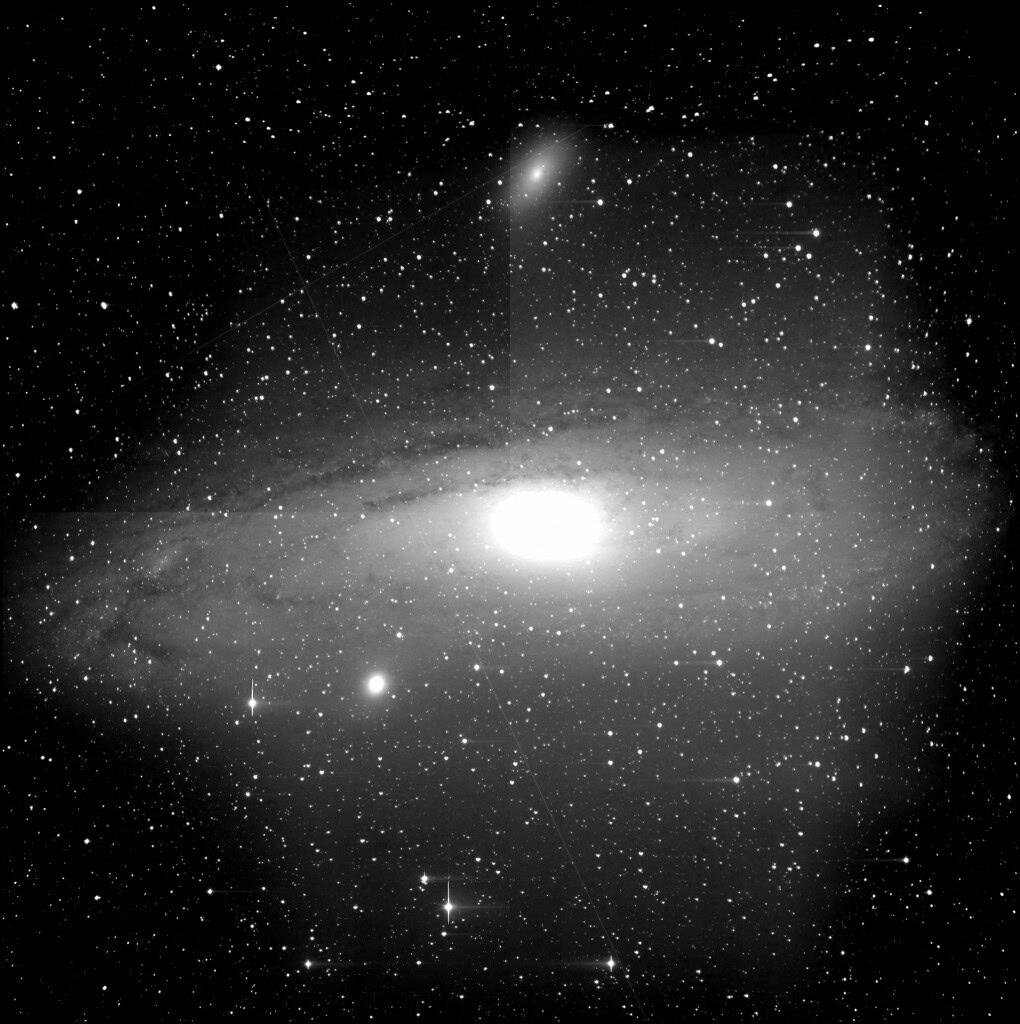
The new instrument was developed in collaboration with the Ohb Italy – A company specialized in developing complete space systems such as satellites and telescopes. His evidence images, published by the agency, were taken over the Matera Stone Hills in the south -East Italian.
Soon the new team will leave the Spatial Center of the Italian Space Agency (ASI), where it is now and will be installed in Mount Mufara, Sicily. There he will join the global effort to protect the Earth, seeing the night sky in search of dangerously close objects.