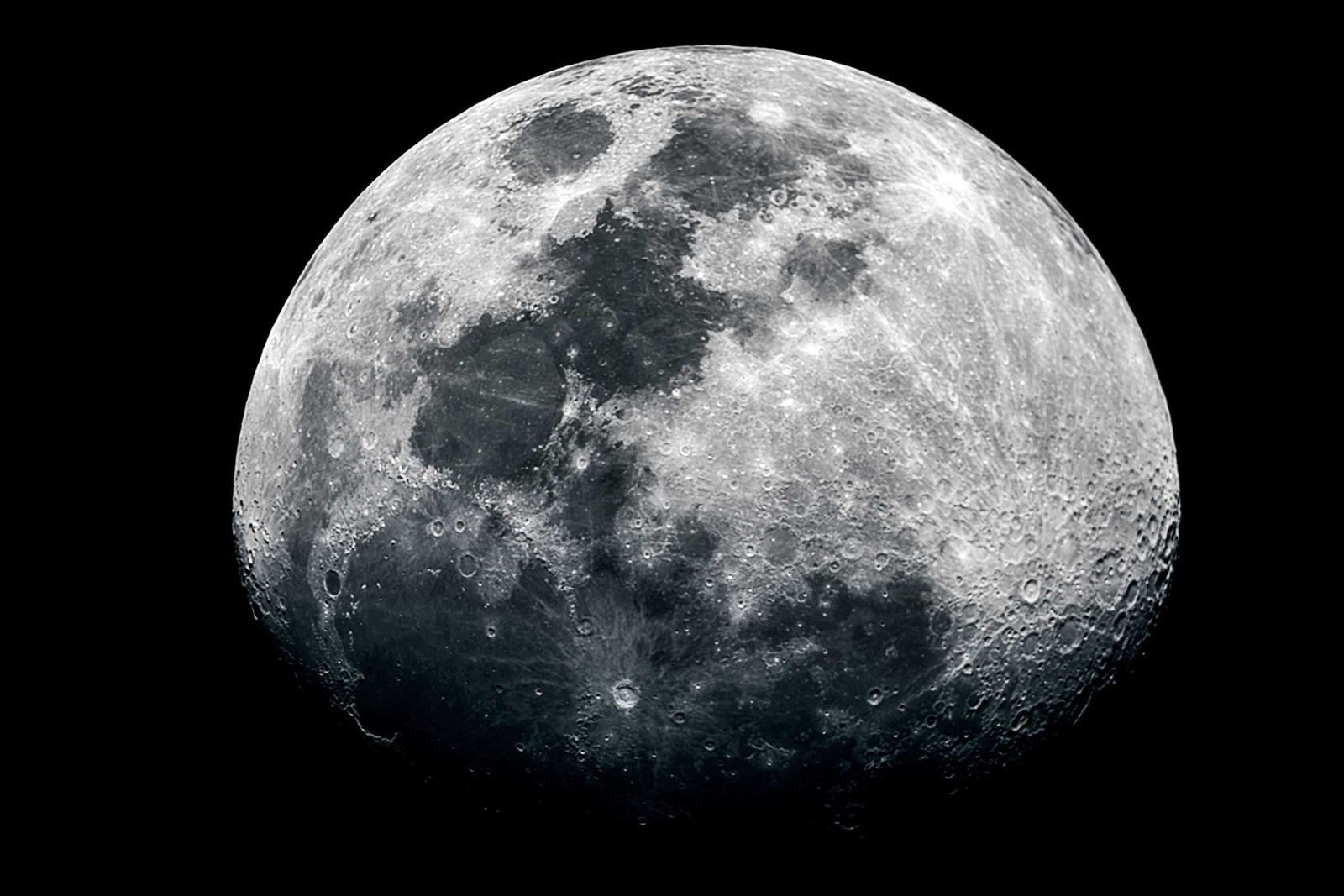
Darpa, the United States Defense Department Agency, wants to look for water on the moon. According to a request published on April 14, the Agency has already begun looking for private companies to build the Lasso (acronym for Lunar essay through small orbit), that must map the entire lunar surface.
Understand:
- Darpa, the United States Defense Department Agency, wants to look for water on the moon;
- The agency seeks private companies to build the mission spacecraft, called Lasso;
- The program will map the entire surface of the Moon for a period of up to four years, identifying areas with a certain percentage of water concentration;
- In addition, DARPA still hopes to carry out a study to compare the cost of water and water from the Moon and prepare the United States for future missions in “stressful orbital conditions”;
- With information of Room.

According to the description, the aim of the LASSO project is to develop a system of one or more satellites to circulate by the orbit of the Moon and, up to four years, to map the entire surface to identify areas that “contain more than 5% of water concentration with a maximum resolution of 4km²”.
Read -Ne More:
DARPA wants to map the moon surface for water search
Also according to Darpa, current lunar orbits often fly at least 100 km from the surface of the Moon. This is due to the concentration of a lunar (or male) mass, which can interfere with gravity and thus hinder the surface.
With the Lasso project, however, the agency wants to reach at least 10 km away. In the lower orbit, the space probe can identify areas with water in “sufficient size and confidence to justify the expense and energy needed to recover them”.
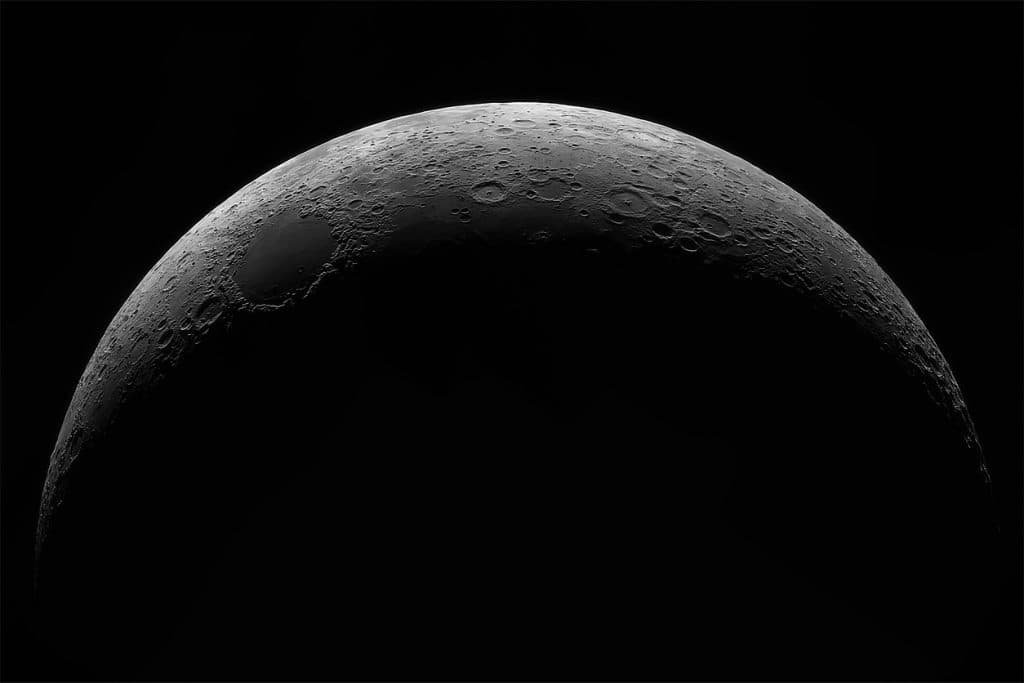
Lunar mission must prepare Earth for future explorations
Among other mission goals, DARPA hopes that it will not only help prepare the United States for future missions in “stressful orbital conditions”, but also carry out a study to compare the cost of water and water from the Moon.
“Lasso will benefit DARPA and, eventually, the USSF spatial strength (USSF), establishing new technologies that can offer a higher maneuverability and situational spatial awareness (SSA), while supporting the capacities of commercial space and NASA missions, which identify the existence of proven water reserves,” says the agency.