Follow Olhar Digital on Google Discover

All about Google

All about artificial intelligence
Google will power its data centers with energy from a next-generation nuclear reactor capable of running on molten salt instead of water. The technology promises to usher in a new phase for nuclear power in the US and help meet the growing demand caused by artificial intelligence.
The initiative is part of an agreement with engineering firm Kairos Power and the Tennessee Valley Authority (TVA), which will purchase electricity generated by the Hermes 2 experimental reactor, which is scheduled to become operational in 2030.
The plant is expected to reach 50 megawatts of capacity, enough energy to power Google’s data centers in Tennessee and Alabama, while injecting electricity into the regional grid.
Unlike conventional reactors, which use high-pressure water as a cooling system, Hermes 2 will be cooled with molten fluorinated salt, which allows it to operate at low pressure and reduce construction costs.
The clean energy credit game
In addition to buying electricity, Google will also receive so-called clean energy attributes from the Hermes 2 reactor. These certificates work as a type of environmental seal that represents the benefits of avoiding fossil fuel emissions. It is a parallel carbon market that allows companies to strengthen their sustainability credentials.

Large technology companies often acquire these certificates to “offset” the pollution caused by electricity consumption in regions where the grid is still heavily dependent on polluting sources. So even if it’s yours data centers are connected to a gas- or coal-fired electricity system, they can claim to run on carbon-free energy.
Read more:
In practice, this strategy generates additional revenue for innovative projects like Kairos Power, encouraging cleaner plants to enter the market.
Critics, however, warn that the environmental benefits are often overstated, and note that Google’s carbon emissions have grown over the past year, driven precisely by the expansion of artificial intelligence services, according to the The Virgin.
From the promise to the nuclear future
Google and Kairos plan to expand the project beyond Hermes 2: the goal is to reach 500 megawatts of nuclear capacity by 2035, enough volume to support a new generation of data centers and artificial intelligence applications.
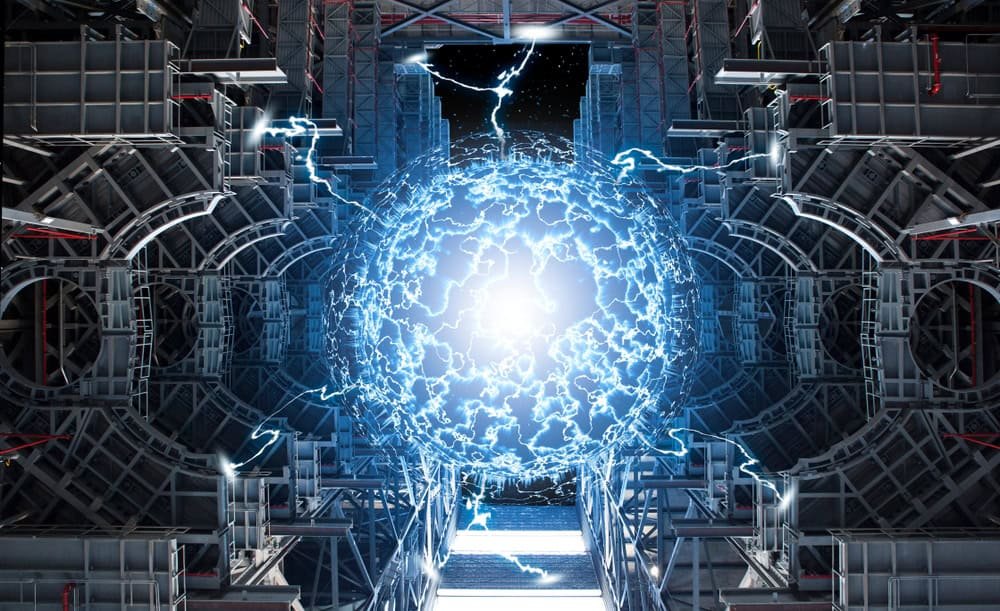
(Image: hallowhalls/Shutterstock)
For purposes of comparison, the 94 nuclear reactors in operation in the US totaled 97,000 megawatts in 2024, responsible for around 20% of the country’s electricity. Hermes 2, with its planned 50 MW, is small in this scenario, but it represents a symbolic step in the adoption of more modern technologies.
If the gamble pays off, it could usher in a cycle of renewal of American nuclear power. And, as a bonus, cement the role of the technology sector as a direct funder of solutions to one of the biggest questions of our time: how to generate enough energy for the age of artificial intelligence without increasing the carbon footprint.