
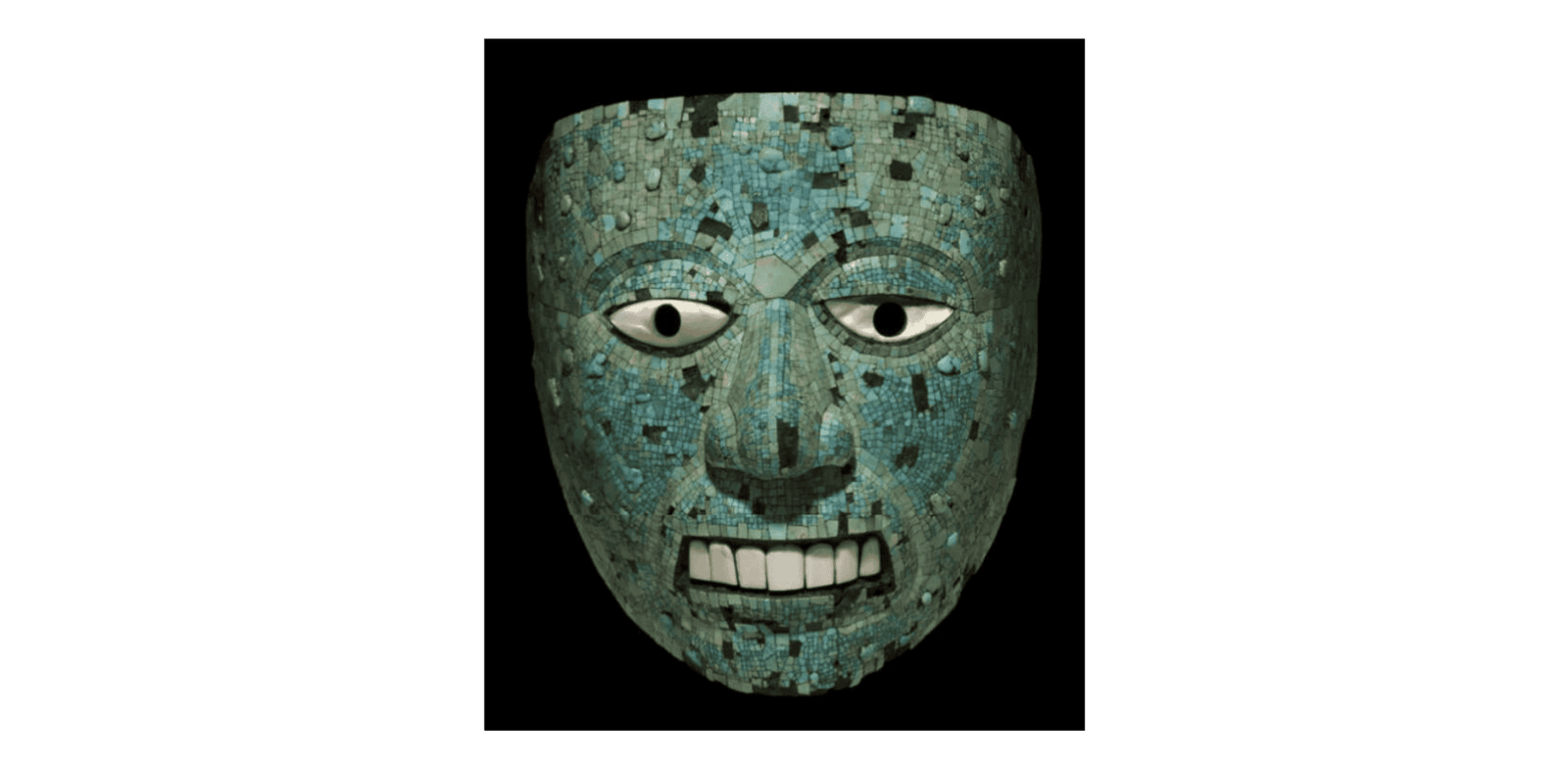
Made of wood and decorated with pieces of turquoise, the mask was one of the several treasures of the Aztec Empire brought to Europe
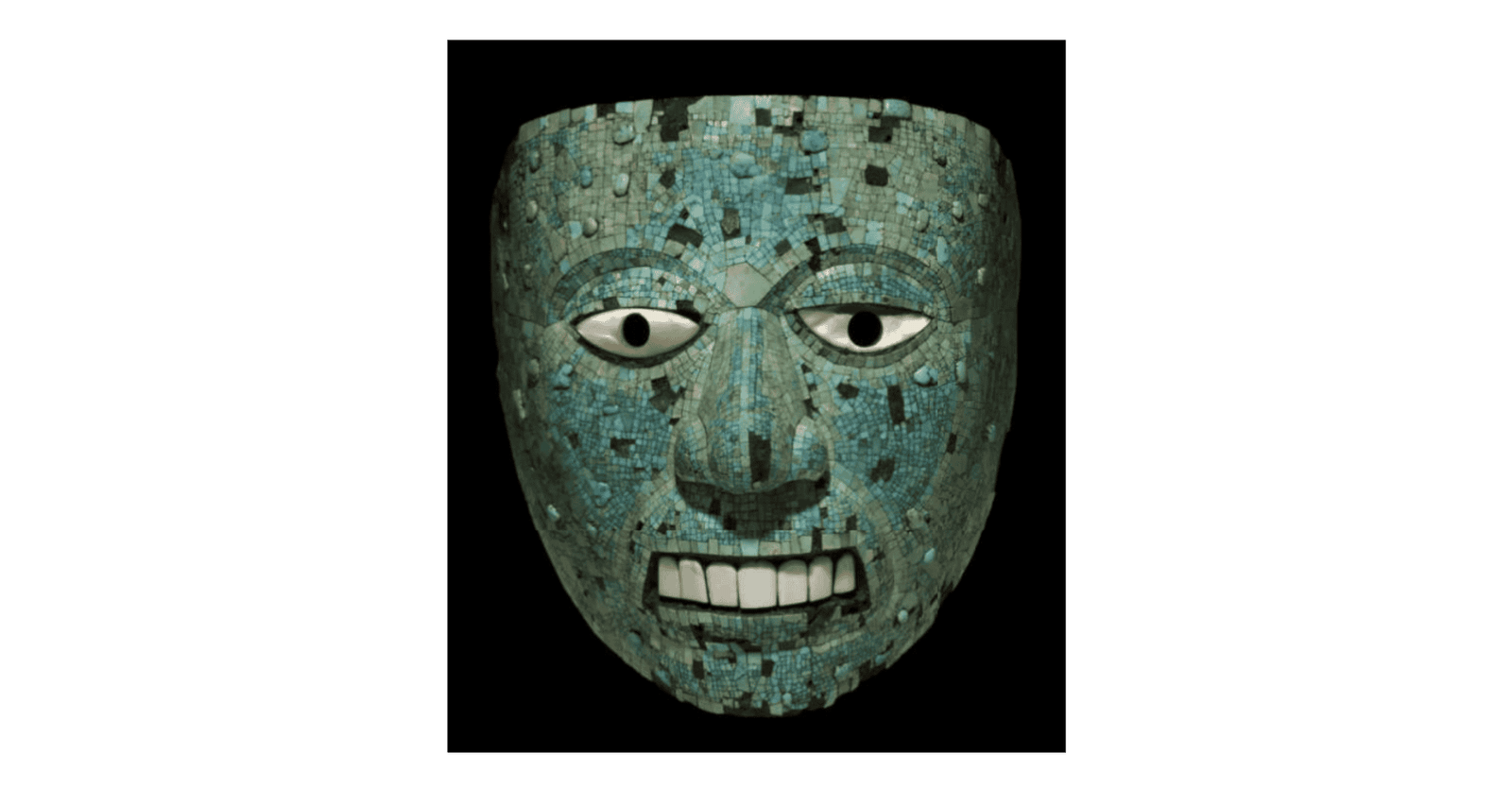
The original name of the mask is Xiuhtecuhtli, which means “Turquoise Mr.” in the Language of Nauatle and was also the Aztec god of the “new fire”. The material would have been created between 1400 and 1521.
The mask may have been brought to past rituals
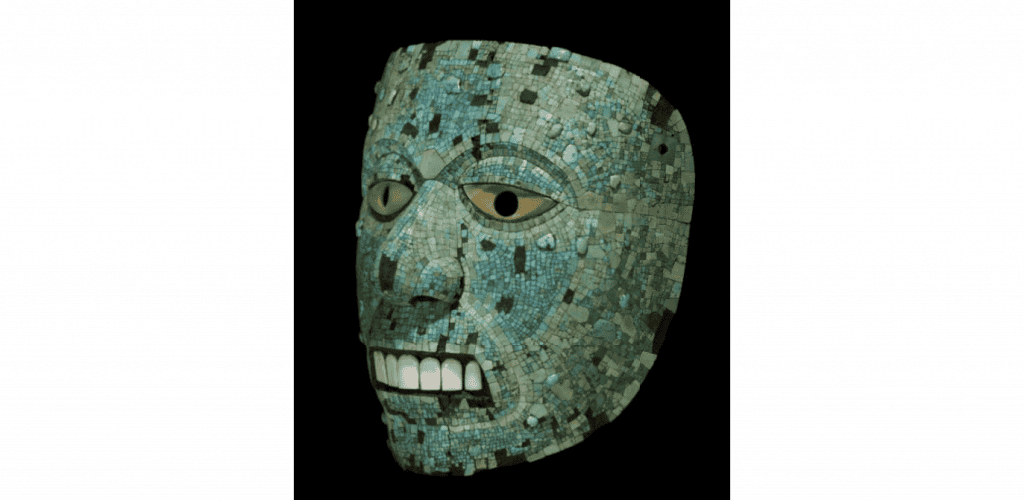
- The mask was sculpted in Spanish cedar and is decorated with turquoise mosaic pieces, pearl eyes with golden edges and shell teeth.
- The interior is covered with kinábar, a mineral containing mercury.
- In total, the object is 16.8 centimeters high and has small holes in the temples.
- This suggests that the mask has already been used or published in something.
- The information comes from live science.
Read -Ne more
Symbolic importance of the object
Researchers say that the Aztecs maintained a “sacred fire” burning continuously in the fire temple in Tenochtitlan, of which all other fires were lit. But once every 52 years, the priests let him out.
The high priest, who was wearing a Turquoise mask representing Xiuhtecuhtli, then made a Xiuhtlalli, or a “new fire ceremony”, which involved starting a fire on the chest of a sacrificed victim. When the flames were high, the victim’s heart was cut off and threw itself on the fire.
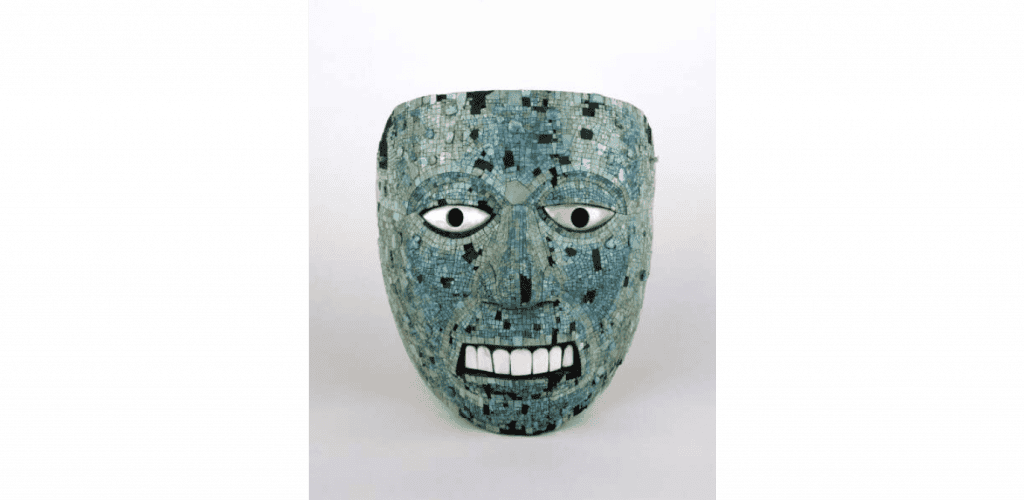
This ritual assured that Aztec civilization was renewed for another half century. The darkest turquoise mosaic pieces on the cheeks and the nose of the mask seem to form a butterfly, another symbol of renewal associated with Xiuhtecuhtli.
However, it is unclear whether the mask has already worn or represented Xiuhtecuhtli. In fact, turquoise can represent the Nanahuzin god, who, according to Aztec mythology, sacrificed himself to shoot and arose to become the sun.