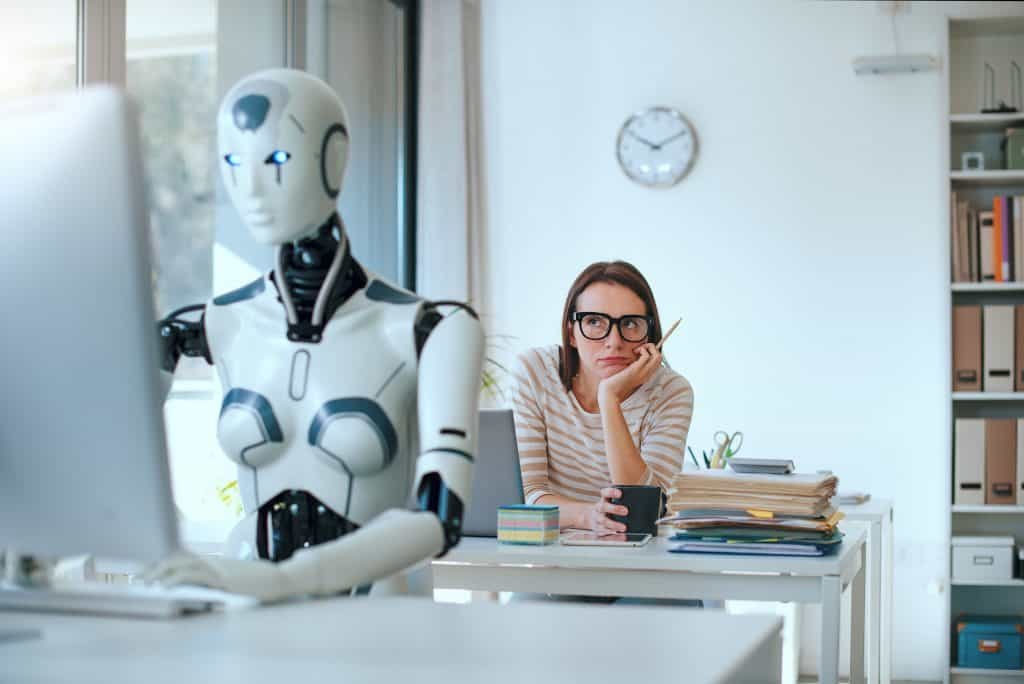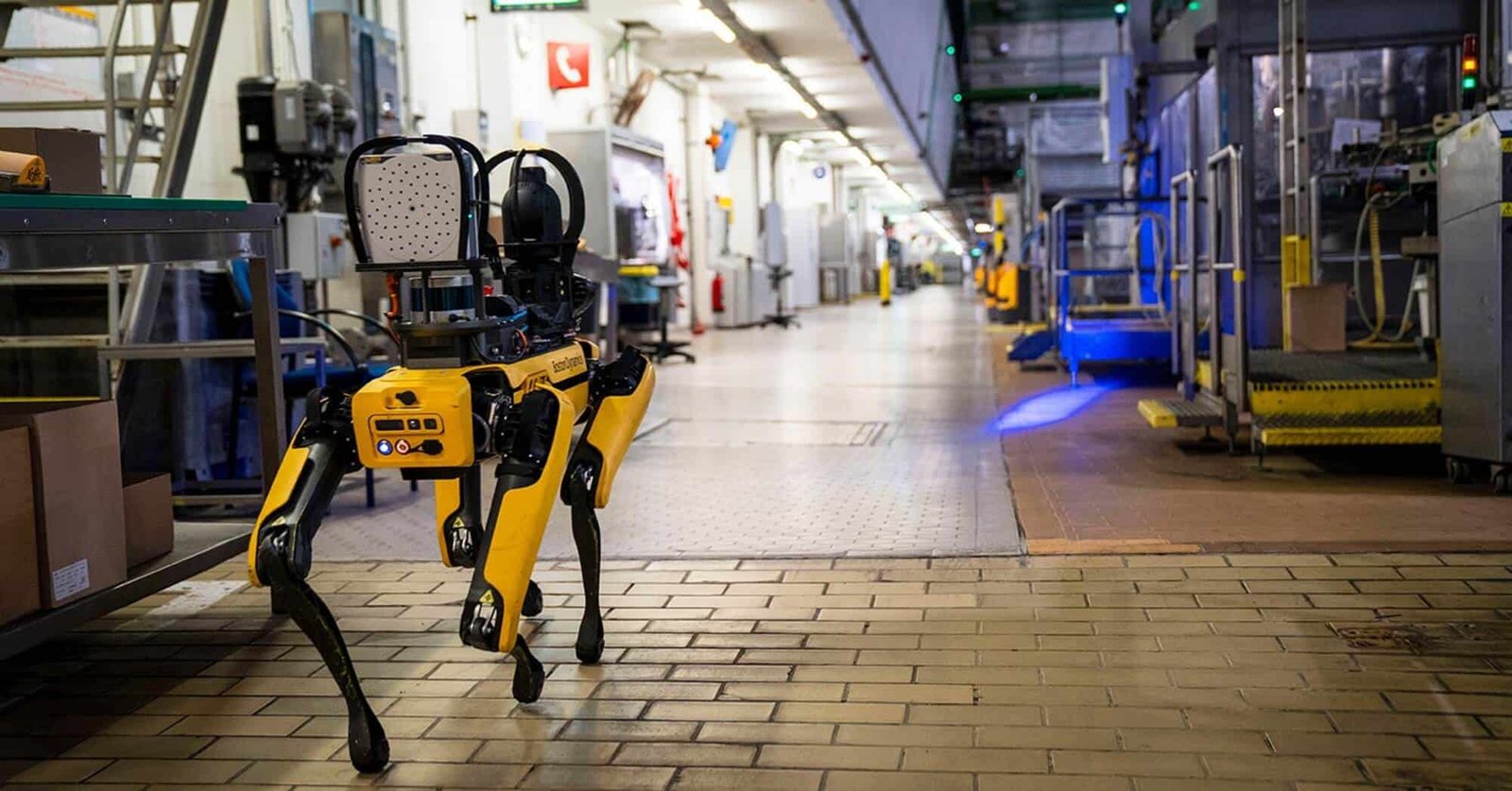
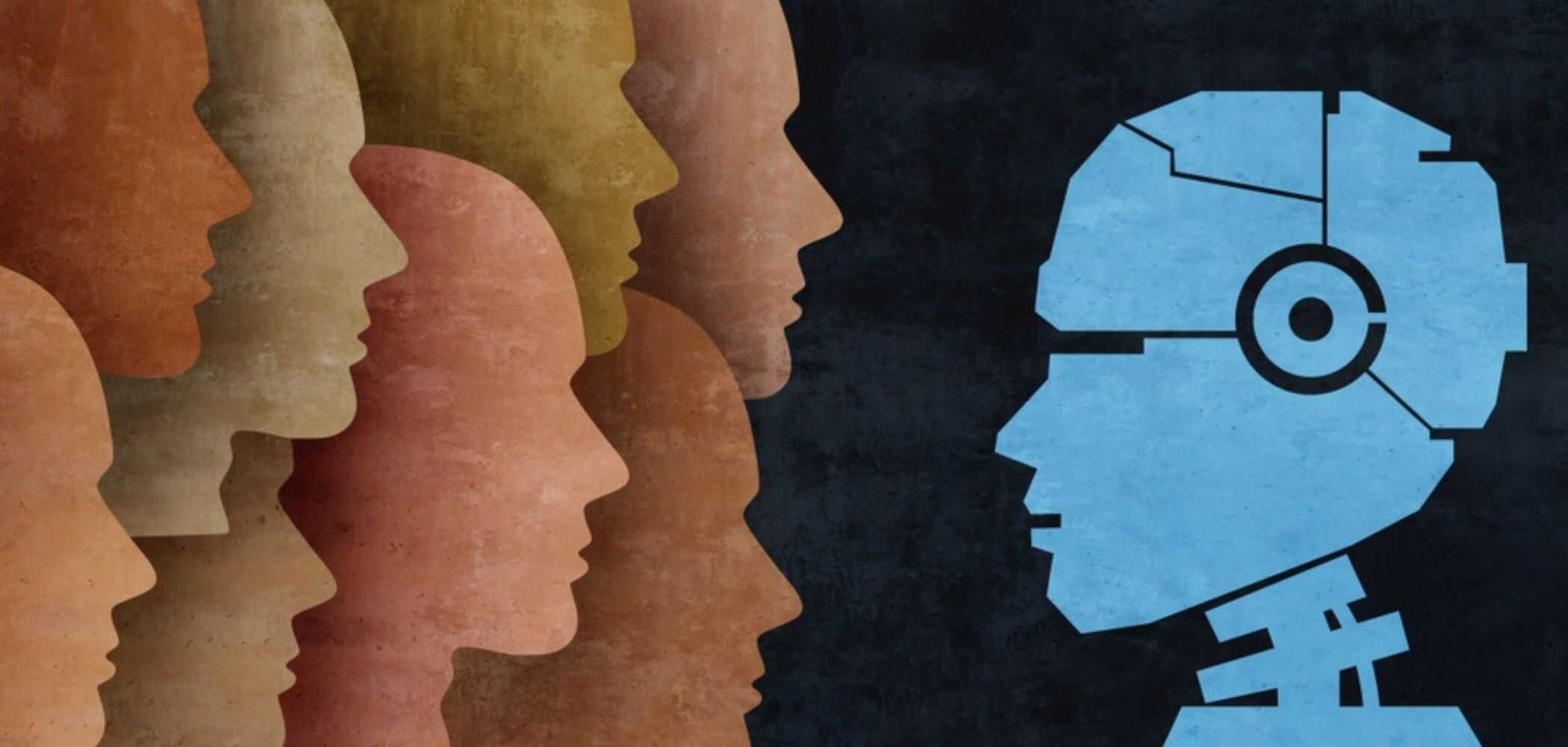
A recent study from Stanford University identified a critical gap Between workers expect artificial intelligence (IA) and what technology can, in fact, deliver, highlight valuable opportunities For research and development.
While AI continues remodeling the labor market, with companies, such as Amazon and Microsoftadvertiser kind Promoted by automation, an important question still persists: Are the real skills of these technologies aligned with the expectations of workers?
Investigation reveals that employees want tools that aid in everyday and repetitive tasksBut many current applications end up being unique or desaline of the real needs of the users.
What workers want (and fear)
- To better understand this scenario, researchers interviewed 1,500 People distributed to 104 different professions;
- Found that although Ai is welcome in routine tasks there Strong resistance In trust, technology, Creative or direct communication tasks with customers and suppliers, for example;
- Trust appeared as a One of the main concerns of the interviewees, according to the information published by the magazine Tech Xplore;
- Almost half Participants declared Don’t believe In the accuracy or reliability of AI tools. Others showed it concern with the possibility of Lose jobs for robots or with the absence of human supervision in important decisions.
Read -Ne More:

Researchers created a map understand What tasks People would like them to be automated And what artificial intelligence can actually interpret. The conclusion was that many companies are invest in technologies that consider employees unique or even, desiredAlthough it is overlooked those areas where workers want more help, but artificial intelligence cannot yet solve well.
Why does the opinion of workers matter?
Companies often prioritize what artificial intelligence can already do, Without taking into account too much What the workers really need or want. But these workers are precisely The most impacted Technological transformations, as well as being essential For the operation of the economy, he tells Yijia Shao, one of the people in charge of the Stanford University study.
Incorporating employees’ needs in the development of these technologies is not only an ethical problem. And fundamental to create tools really Useful, reliable and accepted For users. In addition, listening to workers allows it Discover small explored opportunitiesLead more effective and human innovations.
Despite the importance of this initial survey, authors warn that research like this should be updated constantly To accompany the rapid pace of AI advances. Only then can companies implement technologies that make sense in practice and allow employees to make the most of collaboration with machines.