Research states that extremophilic lichens, a type of fungus, can survive the adverse conditions of the red planet
Mars is considered the most viable option for human housing outside the Earth due to its proximity to the habitable area and its surface that would allow human presence.
However, turning Mars into a habitable environment would require significant changes such as the softer temperatures and a breathable atmosphere. One of the first steps would be to grow plants to convert oxygen carbon dioxide.
Read -Ne More:
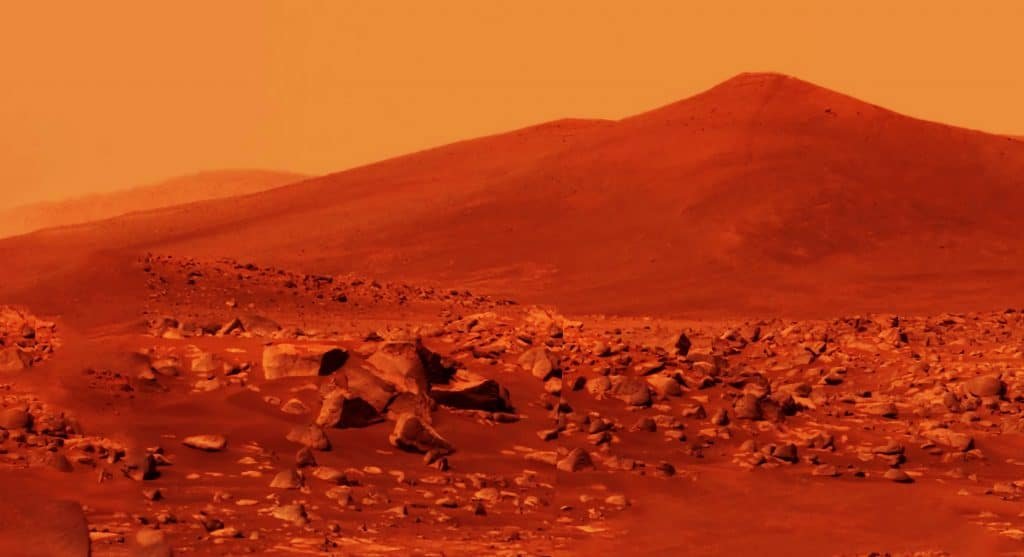
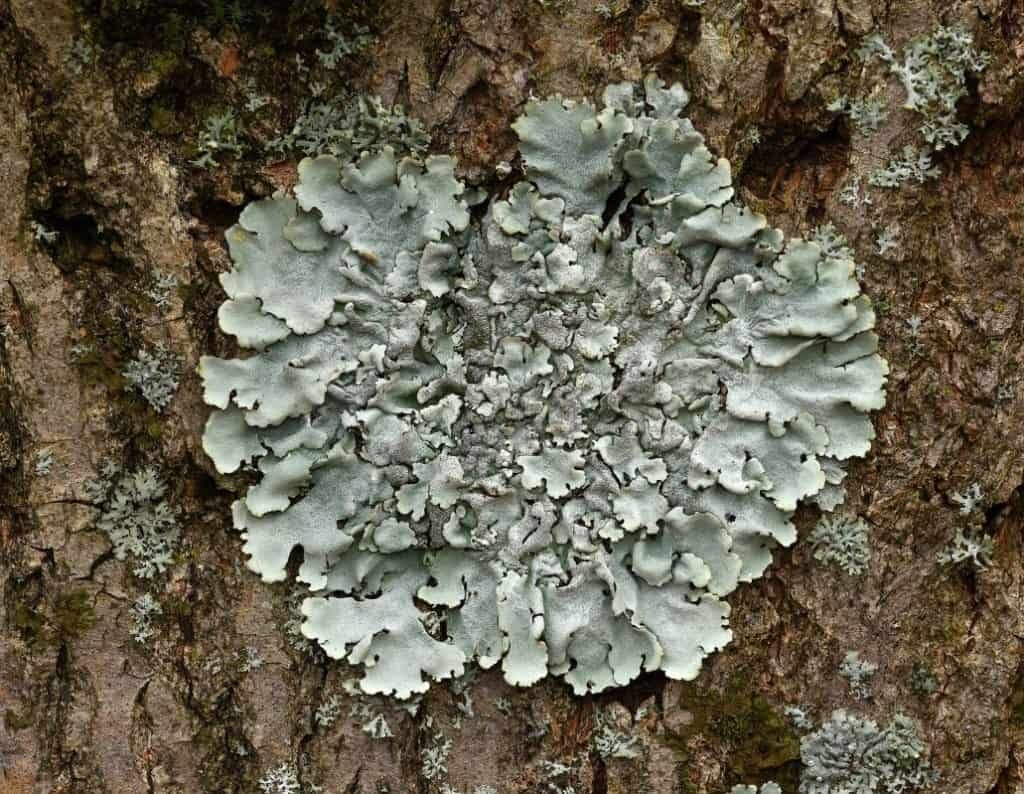
Lichens could survive Mars
- In a recent study, researchers investigated the possibility of extreme lifestyles, such as lichens, surviving on the planet.
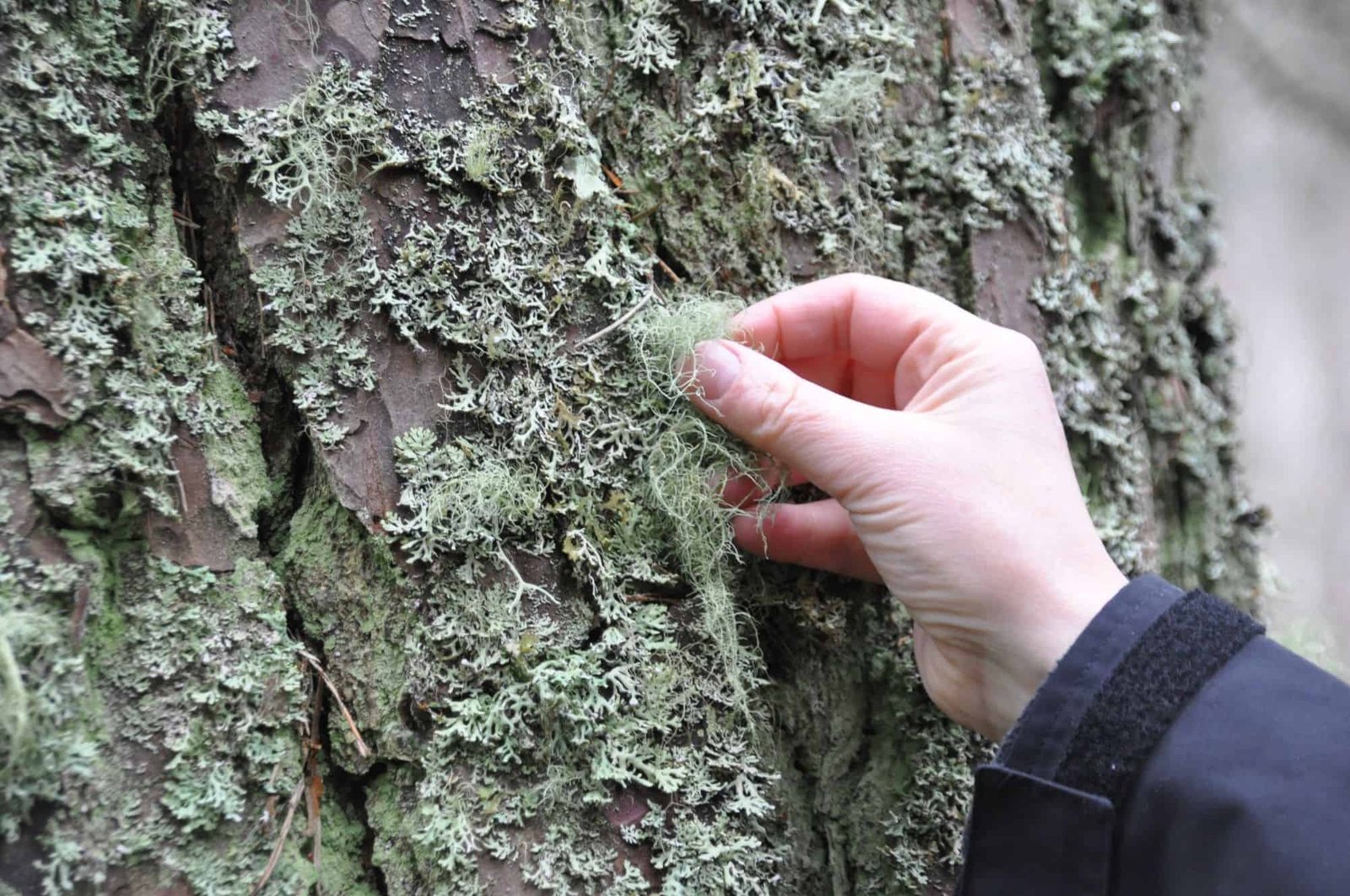
- Lichens, known for their resistance in Earth’s hostile environments, can be good candidates to support the extreme conditions of Mars.
- The research team tested two species of lichens, Muscorum Diploscles and Cuataata Cetraia, simulating the temperature, radiation and pressure conditions of Mars.
- Although C. ACULATA had difficulty in radiation, D. Museum has shown that he could maintain his active metabolism and defend himself from adverse conditions, which suggests that he could survive Mars.
- The study was published in the IMA Fungus newspaper.
“Lichens inhabit various ecosystems worldwide, but they are especially crucial in extreme environments such as hot deserts and cold polar regions. They are known as extremophils, capable of surviving under extreme temperatures, intense radiation and extended extended water,” says the study.
“The current atmospheric conditions of seas are innospid and, therefore, the potential habitats for the existing life are limited. However, there may be -there are living environments below or the surface for more favorable climatic periods. These niches can act as isolated habitats that protect from adverse conditions,” says the investigation of the red planet.
The study is an important step in understanding how organisms can adapt and survive Mars. However, more research is needed to evaluate the effects of long exposure periods on red planet conditions before considering any colonization experiment.