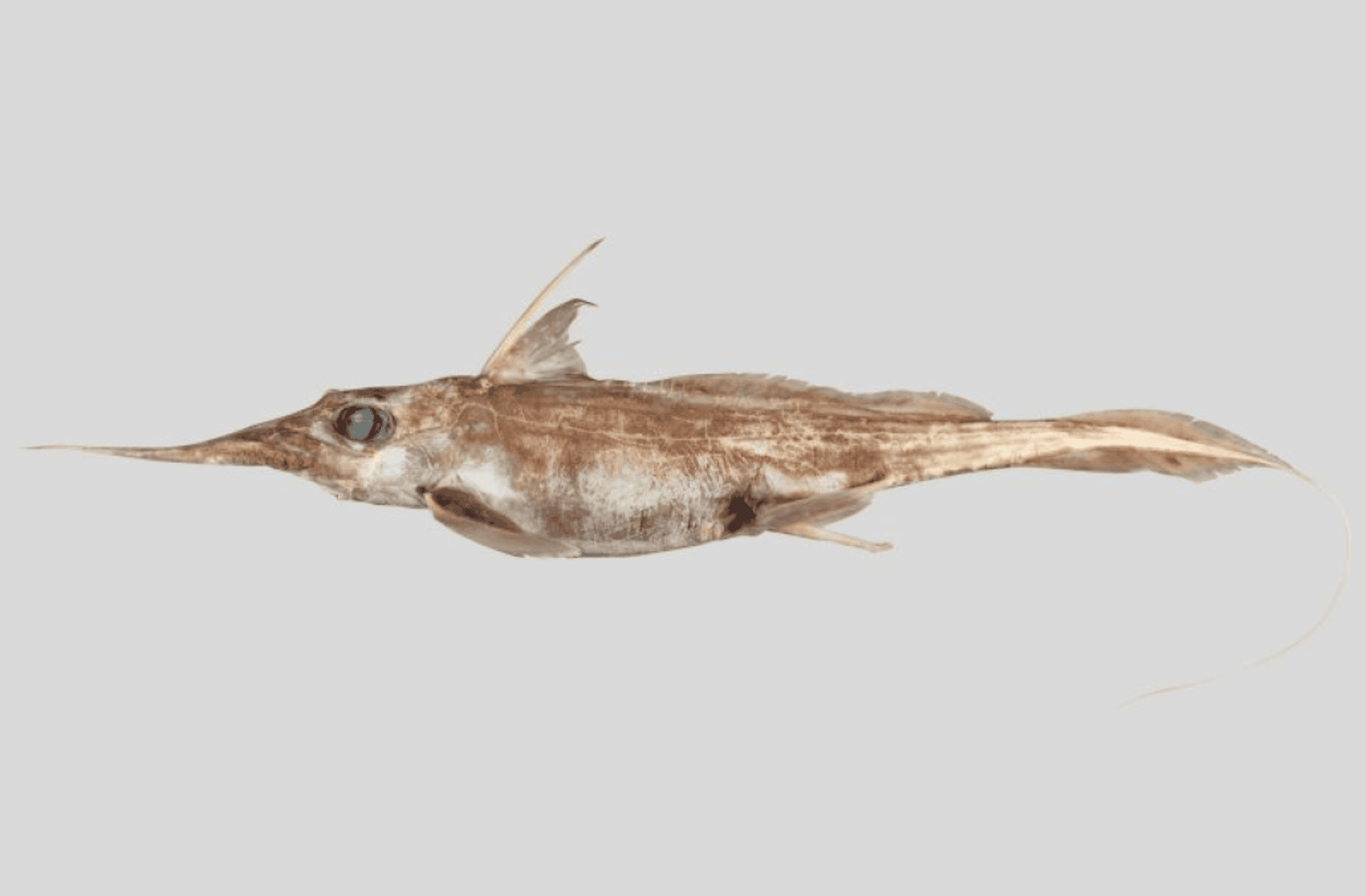
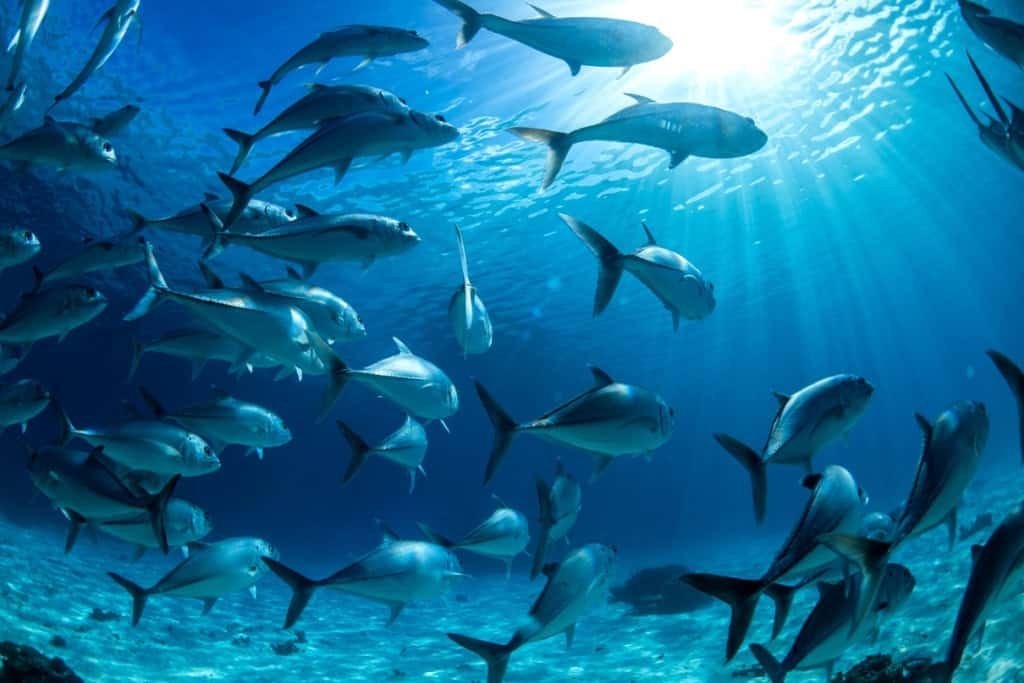
The toxic algae Karenia Mikimotoi He killed hundreds of marine animals in Australia. According to environmentalists, seaweed has affected more than 400 marine species, causing the deaths of dolphins, fish, bites and even sharks. The information comes from the newspaper or globe.
More than 13,800 animals died from pollution, which affects more than 500 kilometers from the Australian coast. According to experts, slow moving species such as sea horses and backgrounds can take years to recover.
In addition to environmental damage, the economy is also affected, as the proliferation of algae is committed to tourism. Authorities suspended fishing and cultivation of oysters after neurotoxins produced from seaweed in seafood were detected.
Read -Ne More:
Possible causes of proliferation
Experts point out that environmental conditions altered by climate change favored the uncontrolled proliferation of algae. The sea in the region is about 2.5 ° C warmer than average, and the tide is calmer, which allows algae to “swim” vertically and absorb nutrients from the deepest layers.
Toxic species can also benefit from the nutrients that reached the sea after the flood of the Murray River in 2023.
Authority response
On the official Australian Government website, authorities provide useful information to the population about the phenomenon they called as “Bloom of algae“”
The government announced a pack of $ 28 million to support the crisis response. The amount is funded by the Governments of Southidal Australia and Australia. The amount will be intended for research, cleaning efforts, community support, industry aid and public information dissemination.
Despite the investment, environmentalists and politicians criticize the federal government because the Minister of the Environment, Murray Watt, did not declare the case as a national disaster, which would release even more resources.
In an interview with the newspaper The balloonThe biologist Lucille Chapuis, of the University of La Find, said:
It’s like a fire or a sea flood – drags all the way and leaves a deep path.
Lucille Chapuis
There is also concern that disaster will exceed state borders. Experts call for a national monitoring and response strategy.
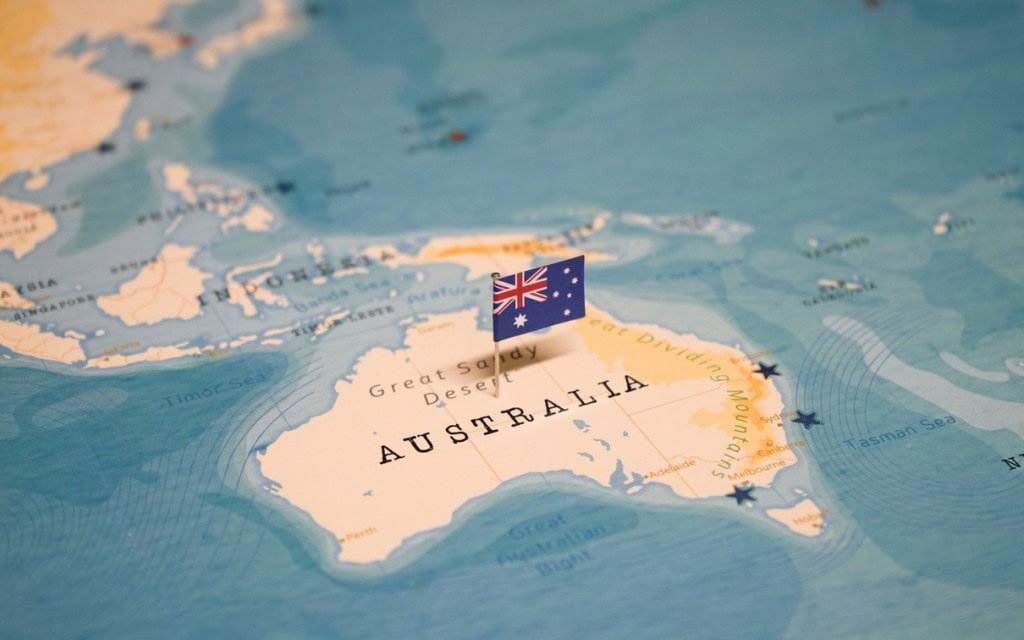
Official website also lists the most affected sites:
- Metropolitan Beaches Adelaide
- Yorke Peninsula (including Troubridge Point)
- Kangaroo Island (Strait of the Researcher)
- Gulf Spencer (east and west)
- Cost between Victor Harbor and Robe
- Eyre Peninsula, around Port Lincoln and Lucky Bay