

Follow Olhar Digital on Google Discover
Waymo announced a partnership with mobility startup Via to bring its robot taxis to the public transportation systems of American cities, starting in Chandler, a suburb of Phoenix, Arizona (USA).
The initiative aims to integrate fully autonomous vehicles into the city’s Flex microtransport service, allowing travelers to be served by robotaxis on shared routes and connected to local public transport, according to information from the The Virgin.
The service, which operates Monday through Friday from 6 a.m. to 9 p.m., allows users to book rides through the Chandler Flex app. The price is affordable: $2 for regular users, $1 for seniors and wheelchair users, and free for middle and elementary school students.
Waymo also recently created teen accounts in Phoenix, allowing 14-year-olds and older to use robot taxis without parental supervision.
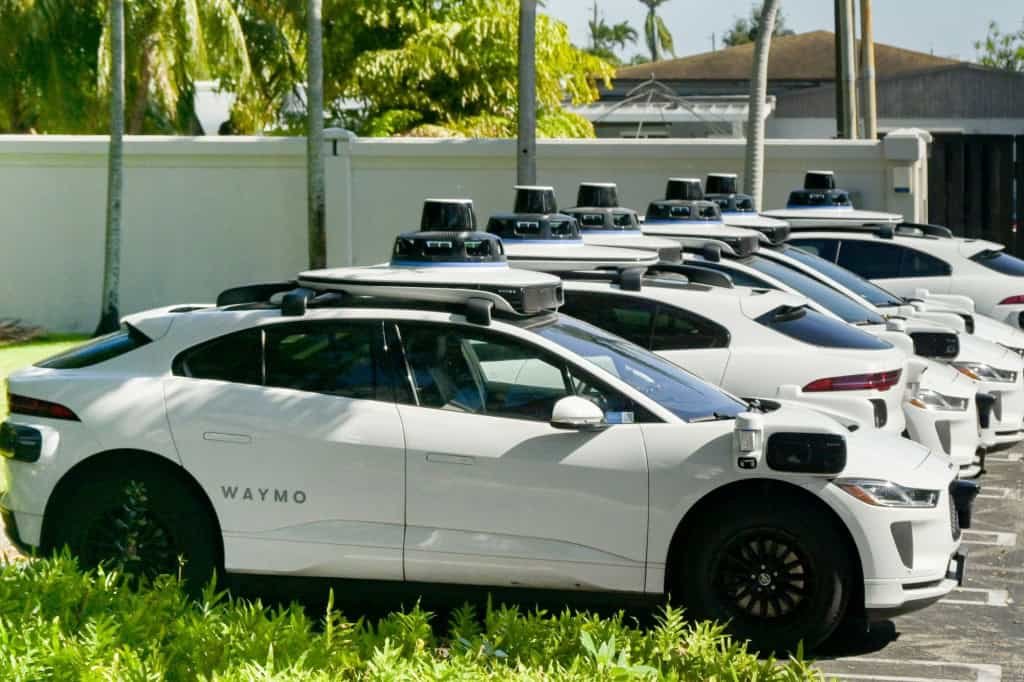
How the robotaxis will work in Chandler Flex
The integration of robot taxis into the microtransport service works with Via technology, which allows for flexible routes to be created based on passenger demand. In addition to optimizing routes, the platform ensures services meet federal accessibility standards and compliance reporting.
Expected benefits of the partnership include:
- Expand access to the autonomous vehicle for new segments of the population;
- Connection to Valley Metro bus lines;
- Reduction in the average cost per fixed rate trip;
- Greater public transport experience combining on-demand and self-driving vehicles;
- Potential for replication of the model in other American cities.
Potential impacts and challenges
Although the initiative opens the door for more passengers to try robot taxis, experts warn of possible negative effects. Autonomous vehicles could divert users from traditional public transport, which could lead to service disruptions.
Carpool users generally prefer direct trips, without transfers, and public transit passengers, often with low incomes, may not be able to afford additional costs.
Read more:
The microtransit model, however, attempts to balance these issues by combining a la carte routes with affordable fares and integration with buses and other public services. Waymo isn’t the only one exploring this strategy: Michigan startup May Mobility has also tested autonomous vehicle integration with the Via service in Sun City, Arizona, offering free rides all week.
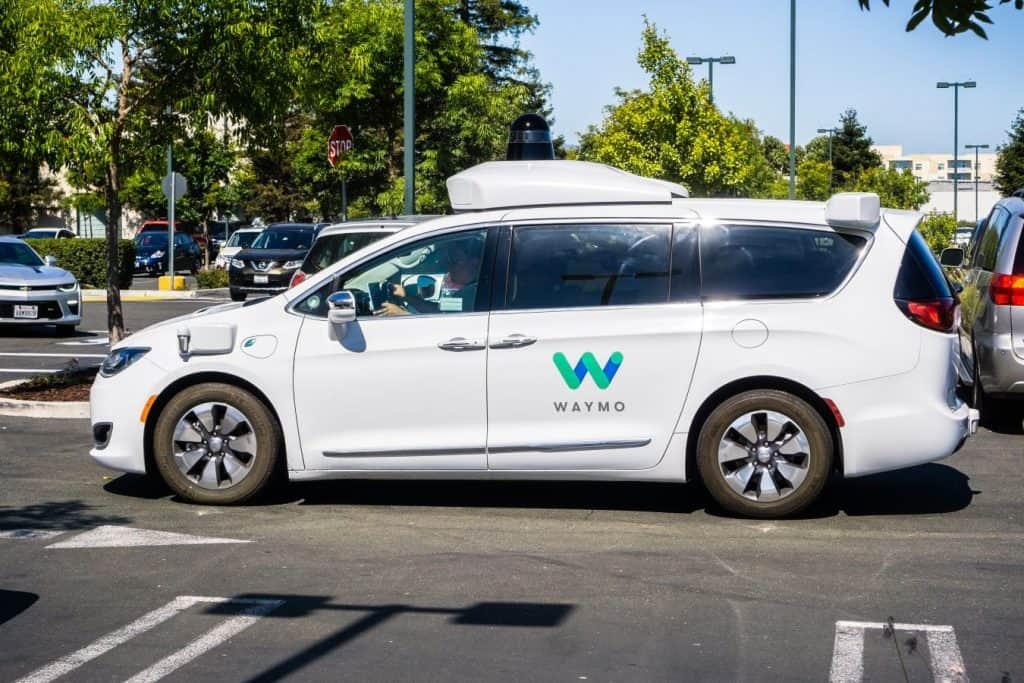
Waymo’s bid to integrate robot taxis into public transportation could represent a significant change in the way cities and users interact with autonomous vehicles, making the technology more accessible and practical in everyday life.