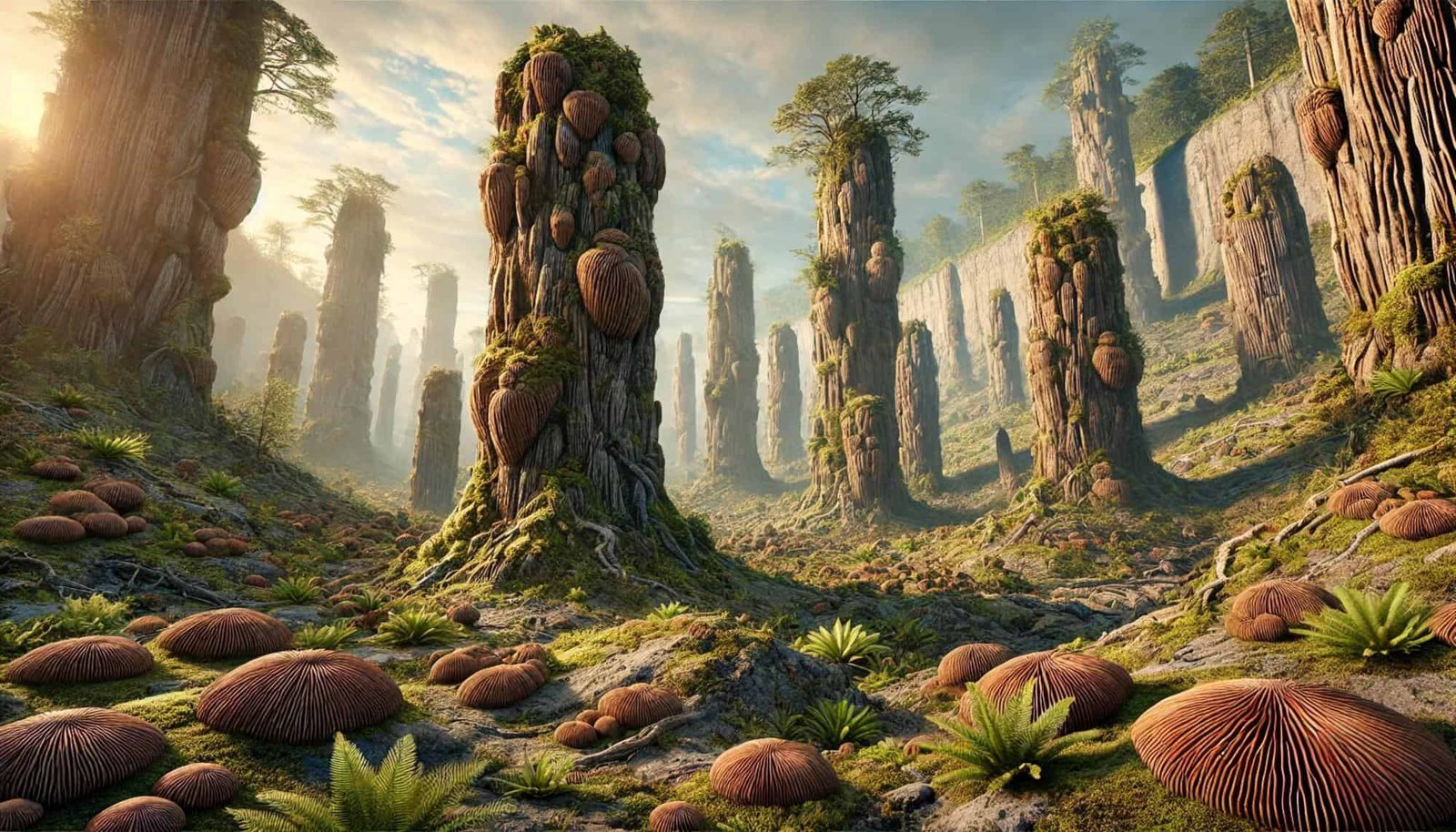
Prototaxites are one of the largest puzzles of paleontology. Discovered in the nineteenth century, these cylindrical and gigantic fossil structures have intrigued scientists for more than 150 years.
For a long time, they are thought to be extinct tree trunks, but more recent studies have hypothesized that these organisms could be colossal fungi that dominated the land landscape about 400 million years ago. This theory transformed them into one of the largest “superfungos” that has ever existed, an idea that still generates debates between experts.
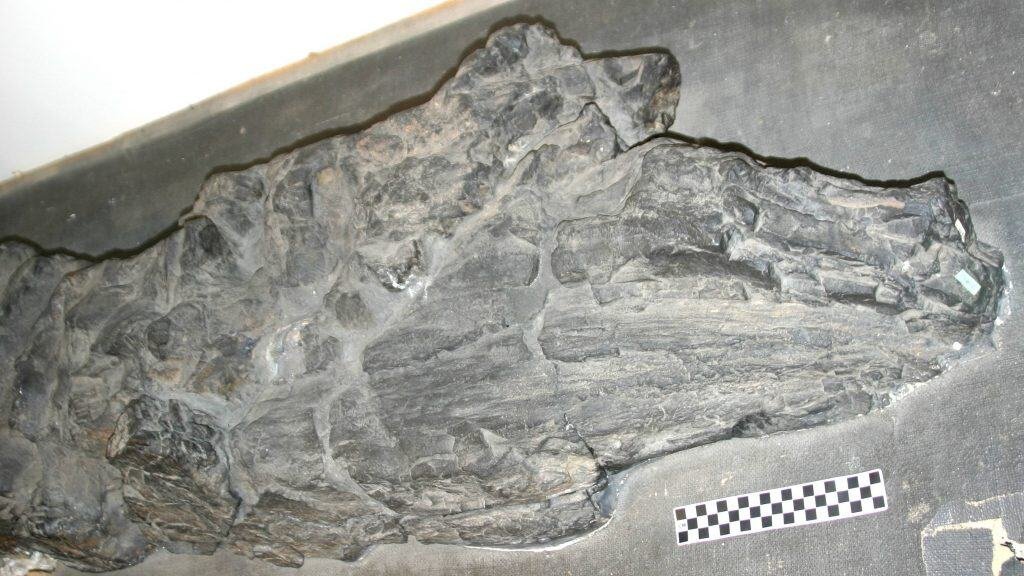
The main reason for so much uncertainty is the unusual structure of fossils. The internal composition of prototaxites resembles nothing today, which hinders its final classification.
In addition, they emerged during a period when terrestrial plants were still developed, which raises questions about their role in the primitive ecosystem.
Would they be essential for the life cycle at that time? Or would they play a more complex role on the Devonian Food website? These doubts mean that the study of prototaxites is crucial to better understand the evolution of terrestrial ecosystems.
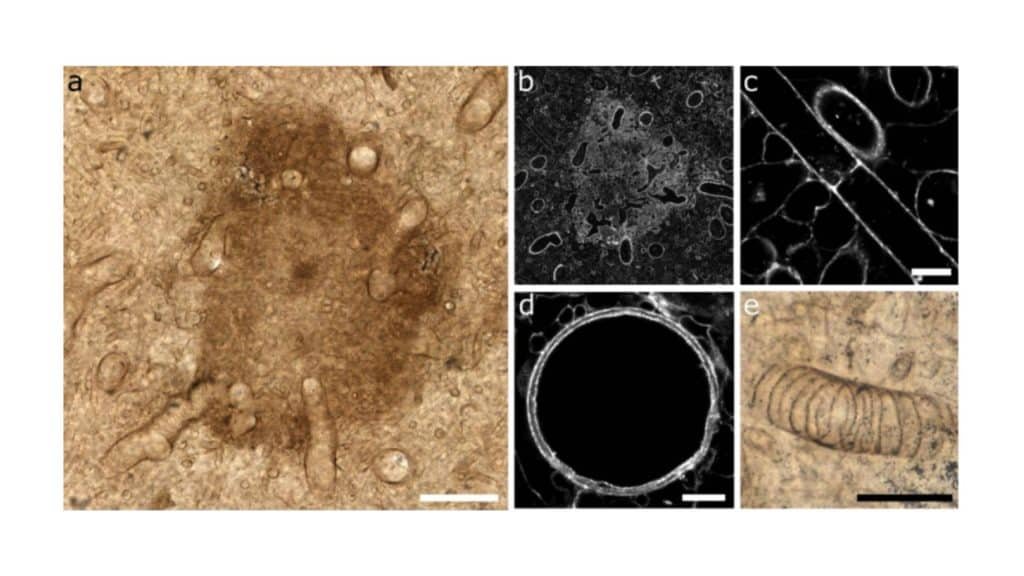
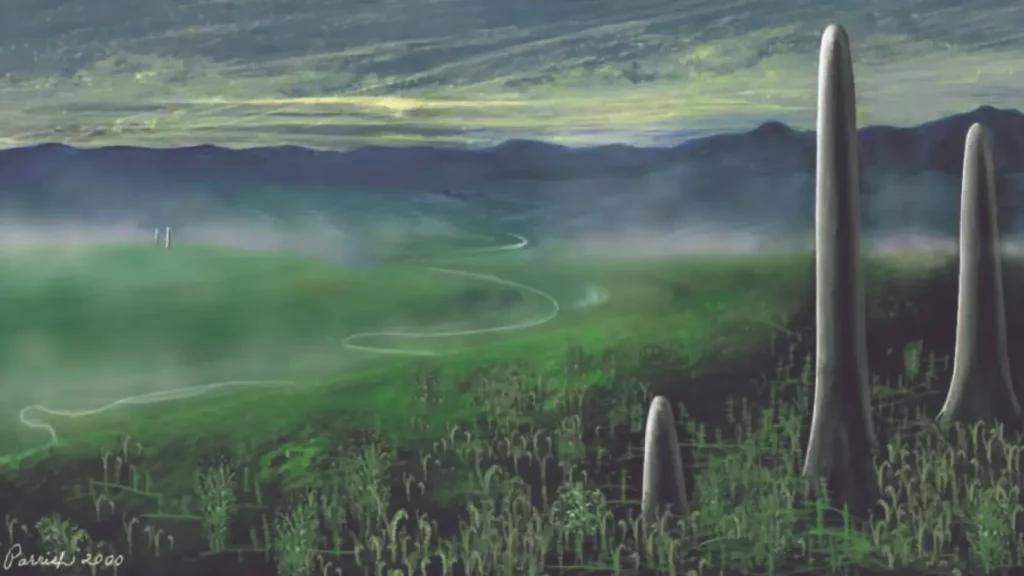
The earliest fossils of protoxicis were discovered in the 19th century in North America and date from the Devonian period, about 420 to 370 million years ago. These structures could reach up to 8 meters high and 1 meter in diameter, becoming the largest terrestrial organisms of their time.
At first it was believed that they were fossilized trunks of primitive conifers, but microscopic studies revealed a porous and filamentous structure that resembles the fungi that vegetables.
Also read:
There are several hypotheses about the real identity of the prototaxites. The most accepted theory today is that they were giant fungi, possibly saprophytes, that is, organisms that fed on the decomposition of organic matter.
This hypothesis is based on the chemical analysis of carbon isotopes, which indicate a diet based on decomposition, something more common in fungi than in plants. Other theories, however, suggest that they could be giant lichens or even an unknown form of extinct multicellular body.
Regardless of their true nature, prototaxites played a crucial role in the Devonian environment.
The earthly plants were still small and the ecosystems were in formation. As dominant organisms, prototaxites probably contributed to the nutrient cycle, helping to decompose organic matter and recycle carbon in the soil. This means that if they were fungi, they could have been fundamental for soil preparation for the future expansion of plants.
Why is prototaxites study so important?
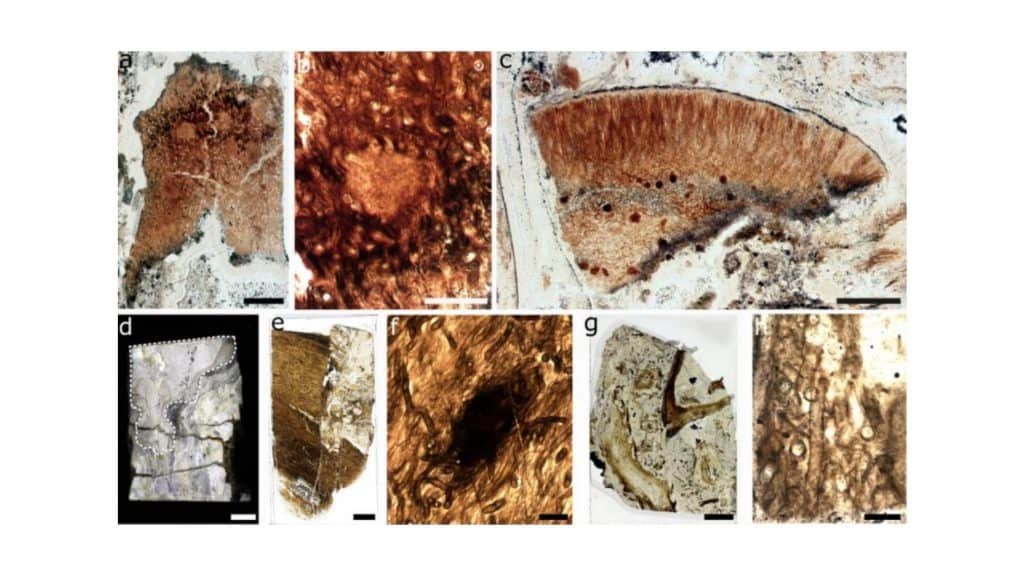
The study of prototaxitis is essential because it can provide valuable clues on how primitive terrestrial ecosystems have been formed and evolved. If they are really fungi, this suggests that the fungi played a much more significant role in the development of the first fertile soils than they thought earlier.
In addition, understanding how these organisms have survived in a environment so different from the present can help us better understand the evolution of earthly life.
Another factor that served as Prototaxites a recently relevant topic was the growing interest of the media in extinct bodies and its relation to environmental changes.
Recent fossil discoveries and new laboratory analyzes have made it clear that prototaxites would play a key role in Devonian’s climate stability, influencing the global carbon cycle.
Finally, study prototaxites can also provide information on modern biotechnology and ecology. Giant fungi could be used as a model to better understand the decomposition of large -scale organic matter and even to explore new forms of bioremediation, that is, the use of bodies to restore damaged ecosystems.
Prototaxites are still one of the greatest mysteries of paleontology, challenging scientists to understand their real identity and function on the primitive Earth. If they were giant fungi, exotic plants or another extinguished way of life, there is still no consensus, but their impressive dimensions and their possible influence on the ecological cycle of Devonia make them a fascinating object of study.
According to new technologies and methods of analysis that are applied, we may finally find what these colossi were in the past and what their true role was in the history of life on Earth.