
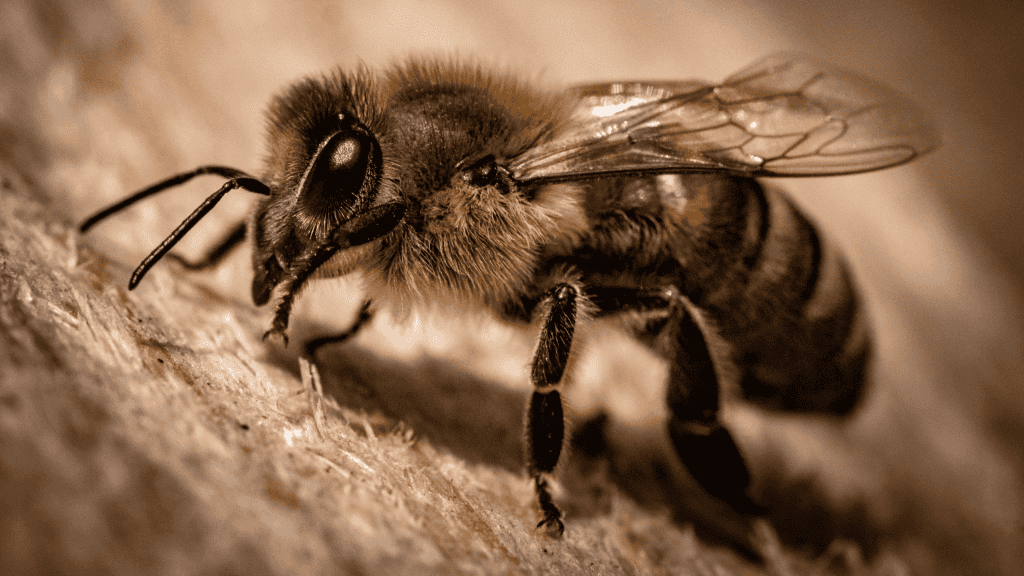
One of the main pollinators of nature, bees are known for their bright colors, the diversity of spices and honey. But some species are known to have a shorter wick and cause human accidents.
Being chopped by a bee is already an uncomfortable event that usually causes local pain, swelling and irritation.
But when this stroke occurs in a sensitive region like the eye, the problem becomes much more serious. No matter how unlikely, there are records in which the bee bite reaches directly to the eyeball, which represents a medical emergency.
Why do the bees come out?
Bees are essential insects for ecological balance. They pollinate flowers, help reproduce plants and guarantee the diversity of foods that reach our table.
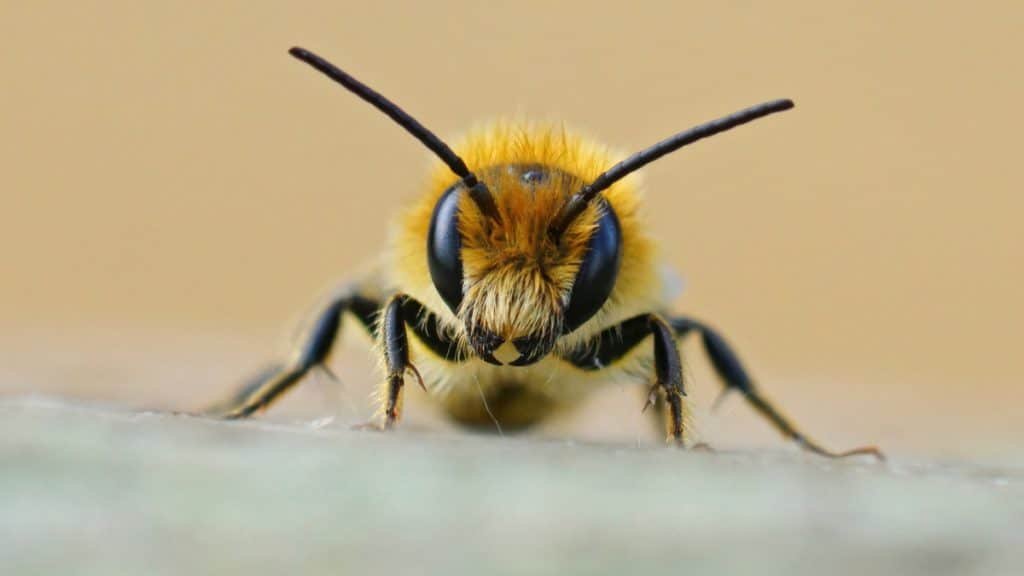
In Brazil, most native species are composed of bee -free bees, also known as Meliponin. These bees are docile, live in organized colonies and are essential for the preservation of ecosystems, especially in the Atlantic and Amazon forest.
Bees with bites, like the Apis mellifera (So -called African bee or bee), are more defensive and failed when they feel threatened, especially to protect the nest and when they are touched or pressed against the body.
Bee bite is a highly specialized structure, connected to a small poison bag located in the insect abdomen. When it bites, the bite drill the skin and, through an involuntary muscle contraction mechanism, continues to palpate even after the animal moves away, injecting more poison to the place.
This poison is composed mainly of melina, a substance that causes intense pain, inflammation and, in allergic people, can trigger severe reactions such as anaphylaxis. Melitin acts by breaking cell membranes, which causes swelling and attracts cells from the immune system to the place.
In addition, the bite has small beards, which makes it difficult to eliminate and ends up causing the organ from the bee’s body, which brings the insect to death.
This defense system, although lethal for the bee itself, is extremely effective in determining predators and protecting the hive.
Read -Ne More:
What if a bee shoot your eye?
The possibilities of a bee directly in the eye are small, but these cases have already been documented. The bite usually reaches the conjunctiva (the membrane that covers the white part of the eye) or the cornea (the transparent part that covers the iris).
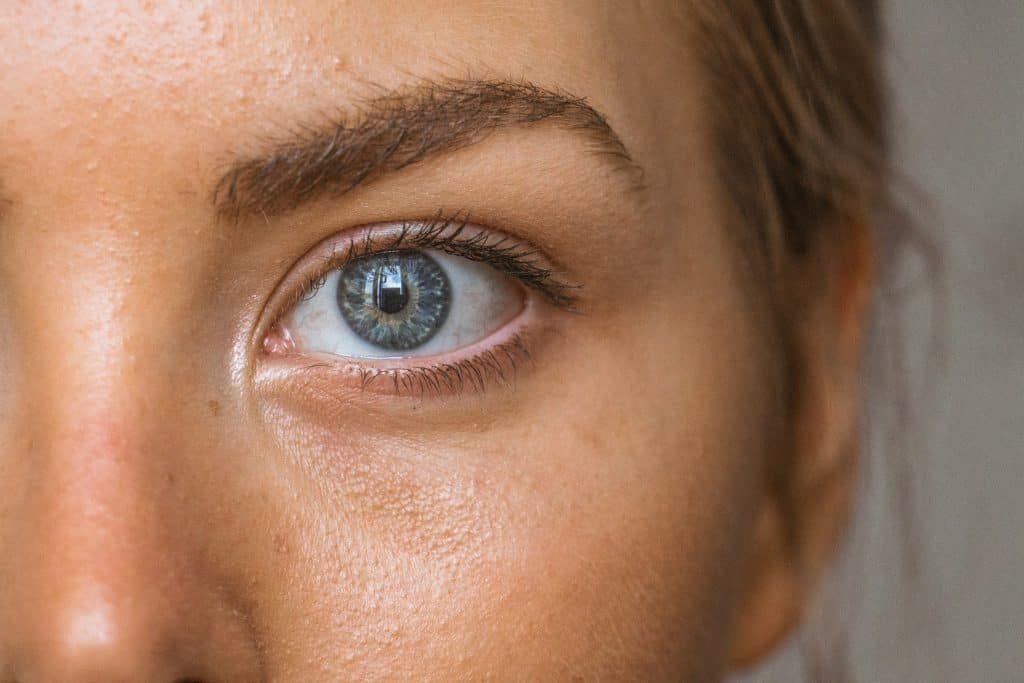
In some cases, Sting remains housed in eye tissues, releasing toxins that cause intense inflammation and immediate pain.
The initial symptoms include redness, swelling, tear, blurred vision and a lot of pain. The region around the eye can also be inflated and the eye may not open completely.
If the bite does not eliminate quickly and carefully, there may be complications such as keratitis, uveitis or even more severe infections such as endophthamic. In more severe cases, there is a risk of permanent vision damage.
In addition, people with an allergy to the poison of bees risk anaphylactic reaction, with symptoms such as breathing, low blood pressure and widespread swelling. Although the bite occurs only in the eye, the reaction can spread throughout the body and be fatal if it is not treated over time.
The loss of vision is not automatic or guaranteed, but it can happen if there is infection, severe inflammation or necrosis of the eye tissues. Therefore, it is essential to act quickly.
Ideally, realizing the bite is not rubbing the eye. Try washing it carefully with clean or saline water without pressing. Never try to eliminate the bite on your own with pointed tweezers or objects, as this can worsen the image.
The right thing is to look for immediate medical care, preferably with an ophthalmologist, which can be safely eliminated and starting proper treatment, which can include antibiotic and anti -inflammatory drops.
With information from the National Biotechnology Information Center.