
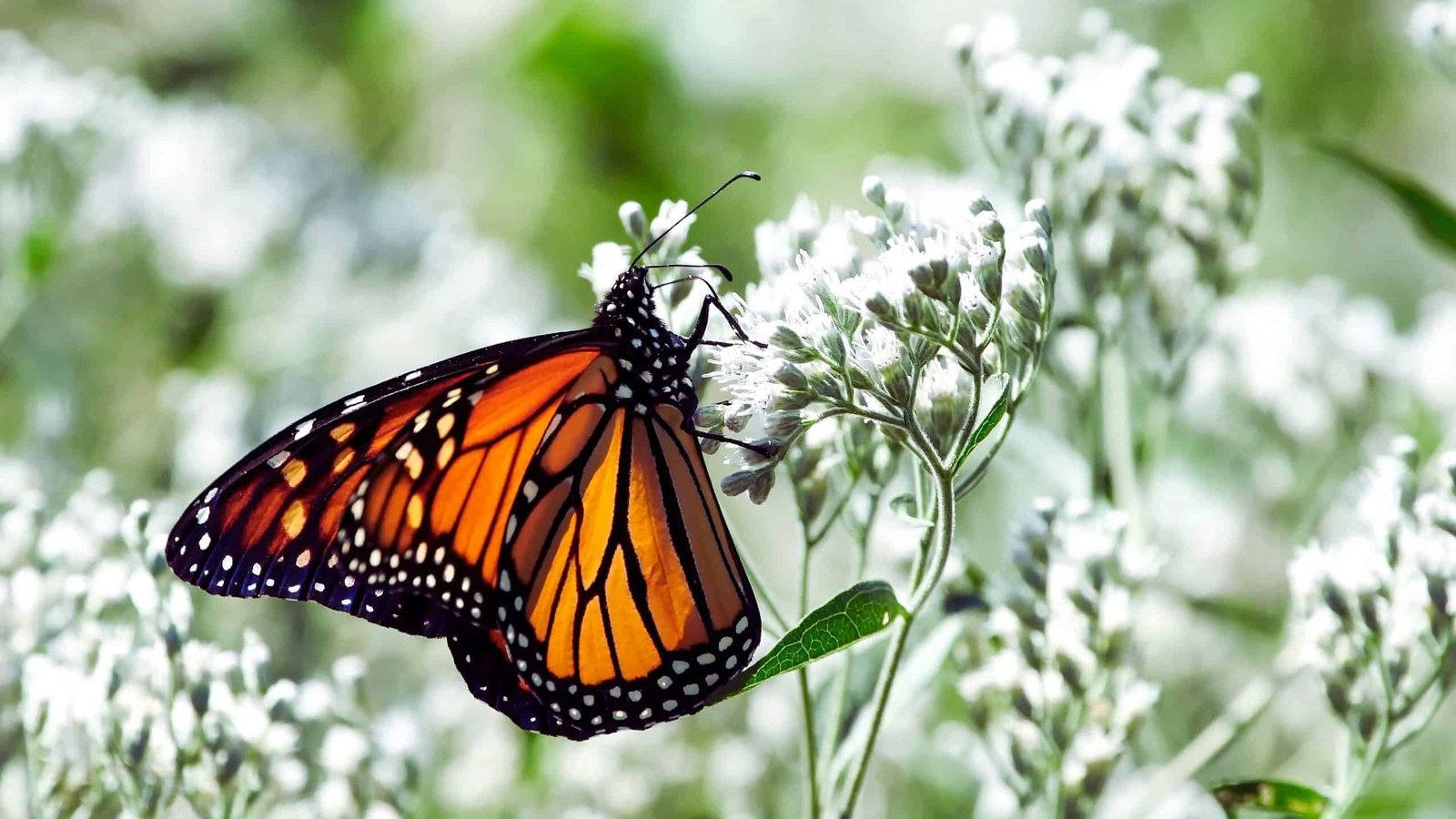
In the world, there are more than 28,000 butterfly species, about 80% living in tropical regions. They play a crucial role in ecosystems, acting as pollinators, food source and indicators of environmental well -being.
However, butterflies have been significantly declining in recent years, especially in the United States. But what if these insects disappear completely from a country?

The impact of the disappearance of butterflies
If the butterflies disappear completely from a country, the consequences would feel in different aspects:
Impact on pollination and biodiversity
With fewer butterflies to pollinate flowers, many plant species could compromise their reproduction. This would reduce biodiversity and affect other animals that depend on these plants to feed.

Reduction of environmental quality
The presence of butterflies in an environment is a strong indicative that the place is healthy and well -kept. This is due to the fact that they are extremely sensitive to changes such as pollution, deforestation and excessive use of pesticides.
In degraded areas or with high use of chemicals, butterflies usually disappear, which directly affects the biodiversity and stability of ecosystems. In addition, the abuse of toxic agents in the environment would not only limit or extinguish these insects, but would have a negative effect on local fauna and flora in general.
On the other hand, environments with native vegetation, without pollutants and toxic chemical agents, and with a high diversity of floral plants offer ideal conditions for butterflies to feed and reproduce.
This strengthens the ecosystem as a whole, benefiting not only butterflies, but also other species that depend directly or indirectly.
Imbalance of the food chain
Butterflies serve as food for various animals, including birds, reptiles and small mammals. Without them, many species would lose a significant source of nutrition, which could lead to ecological imbalance.

The reduction of the butterfly population could, in turn, affect other parts of the ecosystem, creating a domino effect of extinction and decrease in the population.
Read -Ne More:
Cultural and economic loss
Butterflies are of great aesthetic and cultural value. They are a source of inspiration for artists and scientists and have a significant tourist attraction, such as butterflies and events aimed at observing these insects. In addition, its absence would directly affect environmental education.

Butterfly threats and in the case of the United States
In the United States, butterfly disappearing has been associated with factors such as habitat loss, climate change, and intensive use of pesticides. The destruction of natural areas for urban and agricultural expansion reduces the spaces where butterflies can live and reproduce.