
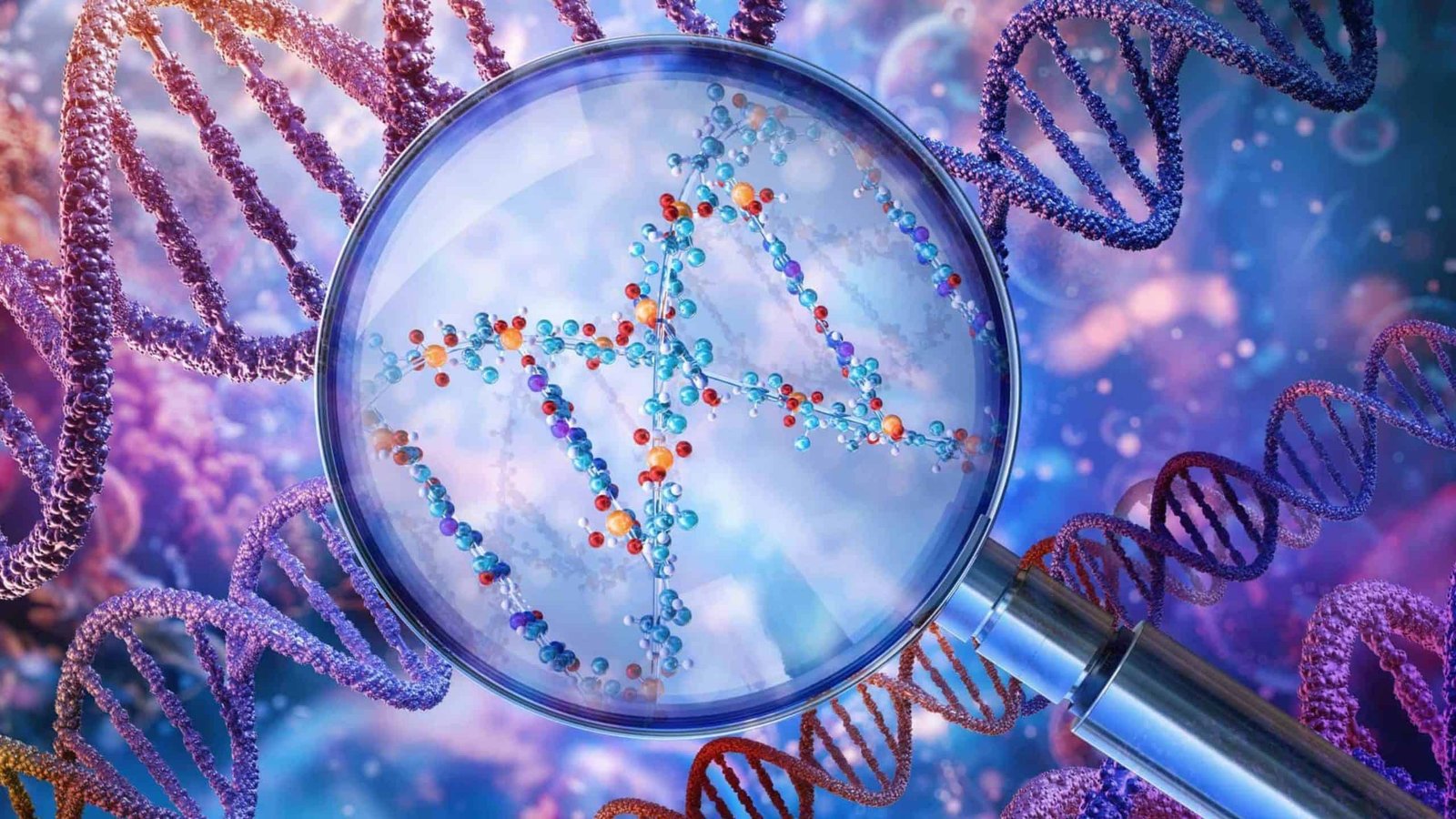
Certainly, you have heard of DNA and RNA at school or reports and news about science and biology. But remember what they are and what do they mean?
Both are nucleic acids essential for life, but they have different structures and functions. In this article, we will explore the differences between them. Continue reading and discover!
Is there any difference between RNA and DNA?
DNA (deoxyribonucleic acid) and RNA (ribonucleic acid) are nucleic acids, but have differences in their composition and function. While DNA stores the genetic information of an organism, RNA acts in the transmission and regulation of this information, as well as participating in protein synthesis.
Definition of RNA
RNA is a linear polycule formed by nucleotides made of ribosa, phosphate group and nitrogeneous bases (adenine, guanine, cytosine and uracil). Unlike DNA, which has the double helix structure, RNA is usually monotamagenary and can be doubled on itself. He plays a vital role in gene expression, gene regulation and protein synthesis.
Main RNA types:
- RNA MESSENGER (ARNM): Take the genetic instructions of DNA in the ribosome.
- RNA carrier (RNAT): Transports amino acids for protein formation.
- Ribosomal moth (rnar): Structural component of the ribosomes, helping in the synthesis of proteins.
Definition of DNA
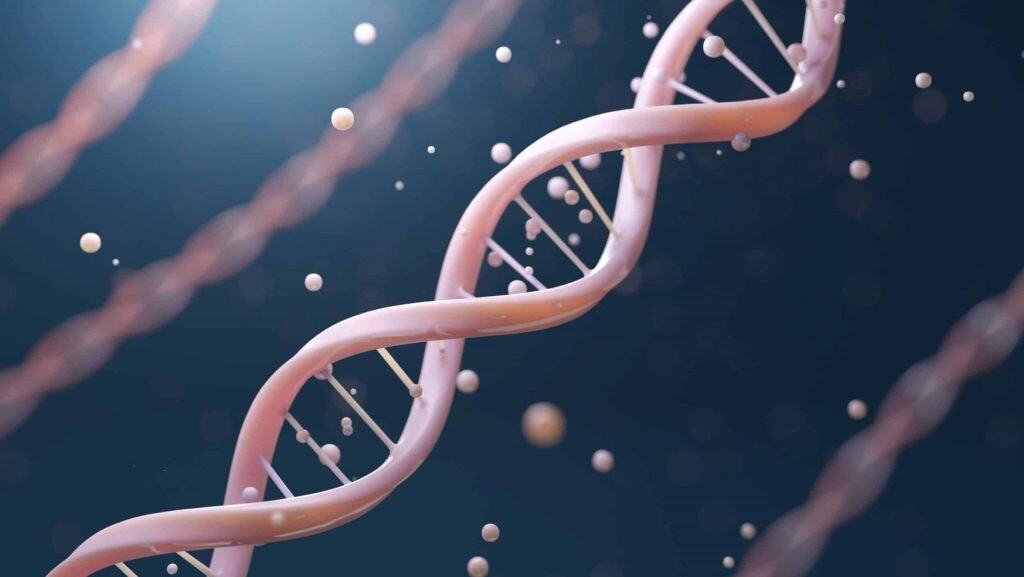
DNA is a macromolecule consisting of two double -helix nucleotide chains. Each nucleotide is composed of a phosphate group, a deoxyribose and one of the four nitrogene bases (adenine, thymine, guanine and cytosine). Its main function is to store and transmit the genetic information necessary for the development and functioning of living organisms.
DNA is the nucleus of eukaryotic cells and the cytoplasm of prokaryotic organisms. During the cell division, it is replicated to ensure genetic transmission in children’s cells.
Also read:
Differences between RNA and DNA
DNA and RNA have important structural and functional differences. While the DNA has a double propeller structure formed by deoxyribose and adenine, thymine, guanine and cytosine, RNA is usually composed of a single ribbon, with ribosa like sugar and replacing the rudder by the uracilla.
In addition, DNA is responsible for storing genetic information, while RNA participates in gene regulation and expression and is essential in protein synthesis.
Another relevant difference is the location of the cell: DNA is mainly in the nucleus (in eukaryotic cells), while RNA can be found in both nucleus and cytoplasm. In terms of stability, DNA is more resistant, while RNA is more unstable and has a shorter life.