

It is a bit common to see people in the movies that are in “Cobai” in scientific experiments and, perhaps
Often the theme happens comically, such as the side effects of experience, or even scary, in the fiction or drama approaches. The fact is that the topic is very important and involves fundamental concepts of ethics and regulatory norms adopted by the areas of science and medicine, reaching the controversy that involves the use of artificial intelligence in this field.
To clarify the main doubts of this subject so relevant to the constant advancement of scientific discoveries, we will simplify and demystify the concepts of Cobai and volunteers in scientific experiments.
Guinea Pig is not synonymous with volunteers
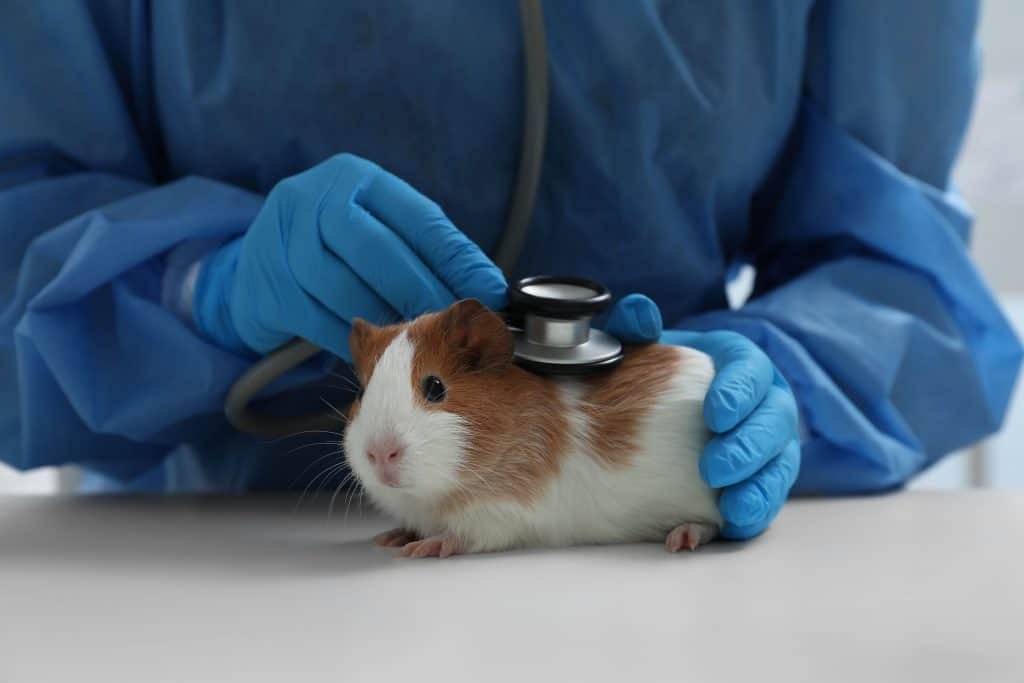
The word “cobai” is commonly used to refer to animals used in scientific experiments, especially rodents, but can also be applied to other animals such as rabbits and primates. These animals are mainly used in research to test medicines, treatments or to study diseases, behaviors and other areas of biology.
These animals are raised in controlled environments and aimed at preclinical research used in scientific experiments to study a variety of biological, medical and behavioral problems before the treatments or substances in humans are attempted.
The cobais used in experiments are mostly born and servants. This guarantees a controlled environmental environment with well -defined genetic characteristics, which facilitates the interpretation of results and reduces external variables that could interfere in the study. They are genetically homogeneous in many cases, which helps maintain consistency in experiments.
Choosing a cobai in scientific experiments is guided by various considerations and is not so simple. There are rigorous regulations and ethical committees that evaluate the need and adaptation of the use of animals in research. International standards require animal experiments to be performed only when they are absolutely necessary and with the least possible suffering.
Read -Ne More:
Fortunately, in recent years, there has been an increasing search for alternatives to the use of animals, such as cell crops or computer simulations. Technology, including artificial intelligence (IA), has played an important role in developing virtual models that can reduce the need for animal tests.
Preclinical research is the initial phase of the test of new treatments, medicines or therapies, which occurs before human tests. In this phase, scientists use animal fox pigs to verify the safety, effectiveness and possible side effects of new substances. The use of animals in this phase allows to evaluate the effects in a controlled manner and without risk humans. Tests include:
- Toxicity, to verify that the substance can cause damage to the organs or systems of the body.
- Pharmacokinetic, to study how it is absorbed, distributed, excreted, and the substance is excreted in the body.
- Effectiveness, to test if the treatment has the desired effect on the health conditions that are studied, such as diseases or infections.
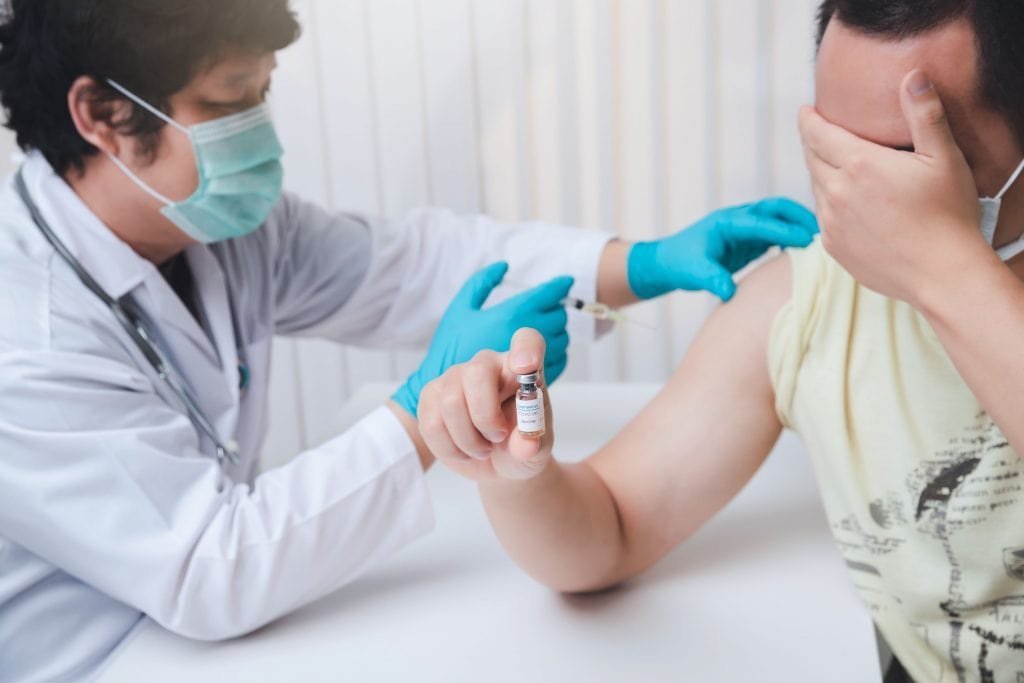
Volunteers in scientific experiments are people, humans who agree to participate in a study. As the name implies, volunteers are people who are freely and spontaneously volunteering to help in experiments, so he cannot be a fox pig. And it is not enough to want.
Human participation in research is governed by a specific set of ethical and legal rules, with a fundamental focus on informed autonomy and consent. This means that volunteers need to be completely informed about the risks and benefits of the experiment before accepting participation, and this decision should be made freely without coercion.
The definition of those who can volunteer in a scientific experiment depends on factors such as age and consent. Volunteers must be the minimum age (usually over 18 years) and the mental ability to understand risks and provide informed consent. For minors or people with cognitive limitations, a tutor is required.
In certain types of experiments, people can be excluded with specific medical conditions or who take certain medicines. The selection of volunteers must be made to avoid the damage to the health of the participants. Therefore, the election process usually studies many questionnaires, medical exams, interviews with psychologists, specialized medical boards and physical and psycho -technical tests.
Technology and went to scientific experiments
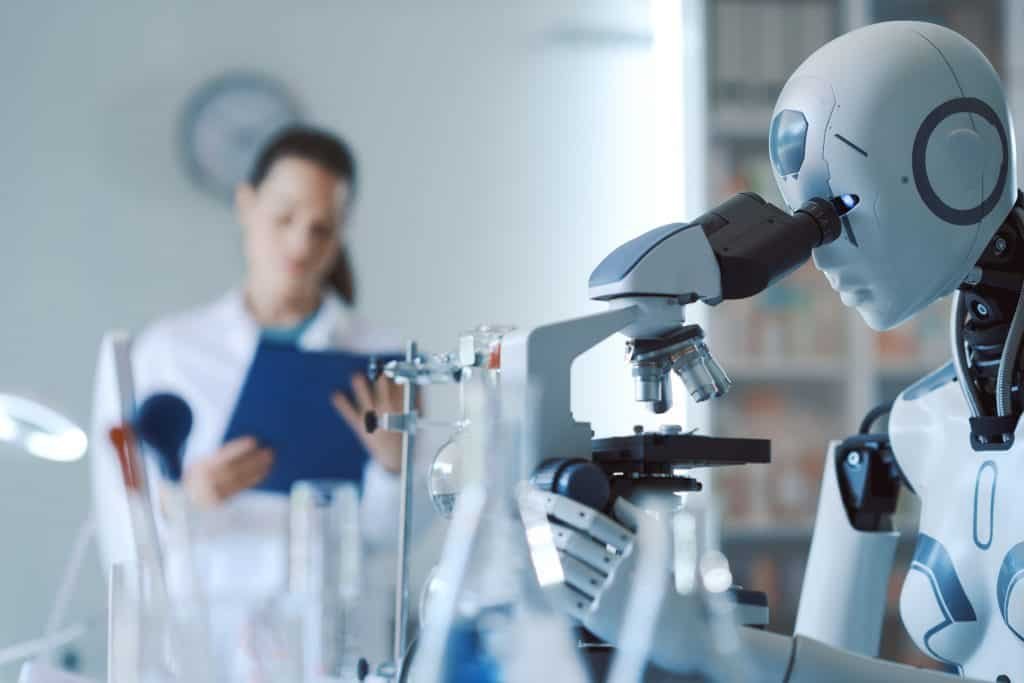
Technology, including AI, is redefining the boundaries of science and experimentation for both animals and humans. The AI has been used to simulate biological processes. As mentioned above, instead of using COBAI, the AI can simulate the effect of medicines or treatments on biological cells or systems, which can reduce the need for animal experiments.
AI technology can also be applied to create models of simulation of the human body, taking into account different variables such as genetics and the environment. This offers a safer and safer ethical way to try new therapies without jeopardizing the health of humans.
To analyze the data, IA can analyze large amounts of information from experiments and identify patterns that would be difficult to perceive manually, accelerating the process of scientific discovery.
Ethics in scientific experiments, especially in humans and animals, has become more rigorous over time, driven by issues such as animal rights.
In many parts of the world, there was a movement to ensure that animal rights are respected, promoting alternatives to test and require any experimentation to be justified.
In the case of humans, informed consent is the basis of ethics. The AI also has the potential to make the processes more transparent, providing detailed and easily accessible information to experiments.
In general, modern ethics presses science to seek alternatives, reduce risks and ensure that the dignity and rights of any living being, be it cobai or volunteers, is respected in experiments.
What we can conclude so far is that with the advancement of technology and AI, many of these limits are redefined to create more ethical and ethical ethical practices in scientific research. If we do not follow this path, in the future, can we become “Laboratory Human Mice”? It is preferable to believe that the rules are becoming clearer, rigid and guaranteeing the right to life, whether human and animals.