Finding life out of Earth is one of the greater obsessions of humanityBut, and if it were closer than we imagine? In a way, this is what we will deal with in this topic.
In February 2019naked failed attempt From landing to the moon may have been taken to the natural satellite its first permanent inhabitants.
The probe Fulget of BeresIsraeli organization project Spacecraft in collaboration with Grandfatherlaunched with the ambition of being The first private mission to land on the starAccording to information from the Iflscience.
Despite high expectations, the mission ended disaster: The ship fell to the lunar surface to April 2019 After a motor failure. The good news is that A part of the load resisted the impact.
What did the probe brought?
- Among the mission articles was a “Lunar“, Containing records designed to function as”Backup ”of humanity;
- Lunaria lunar arc took more than 30 million of pages of texts recorded in nickel records, including scientific articles, history books, dictionaries and even children’s designs;
- In addition to the textual content, the capsule was also taken 100 million human cells;
- But one of the most unusual aspects of the project was his passengers: thousands of delaysmall extremophilic organisms that can have become the first to inhabit the moon.
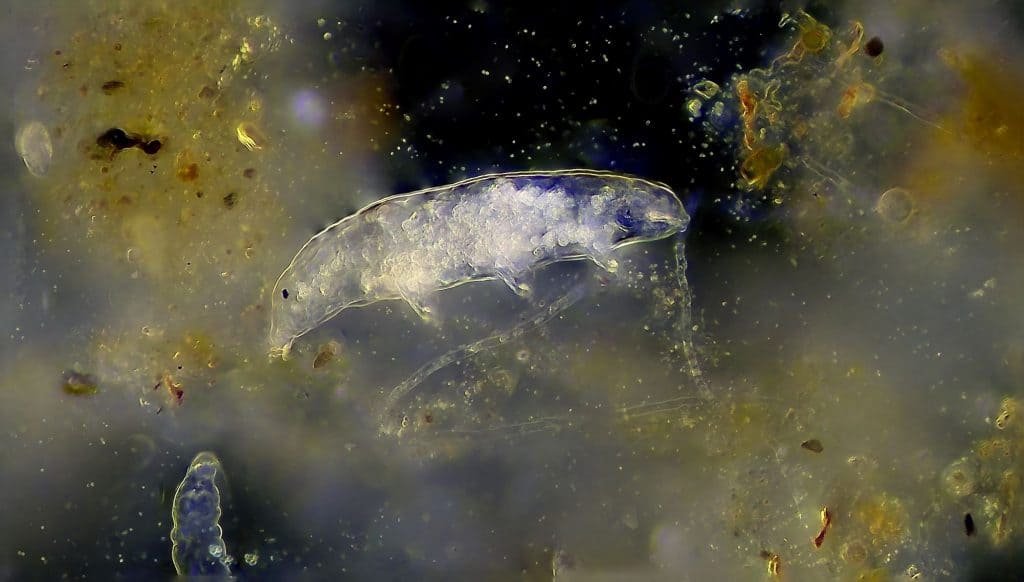
After all, what are the late?
Known for its incredible resistance, the Tilhop Microscopic organisms that can survive extreme conditions, from the vacuum of space to the temperatures that vary between −200 ° C and more than 150 ° C. They also resist radiation, lack of oxygen and total dehydration.
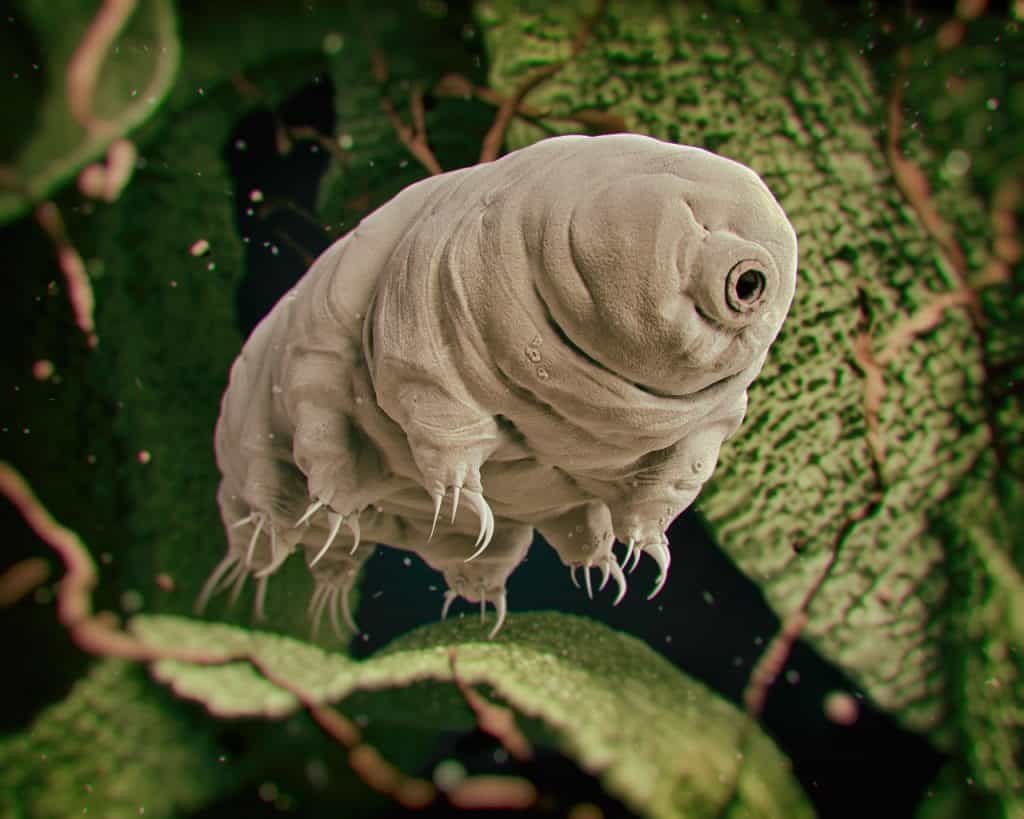
With size between 0.1 and 0.5 millimeterscan only be seen with the help of microscopes but their skills challenge the known limits of life.
Would it be possible to resuscitate them?
The tardigrades sent to the moon were dehydrated and encapsulated in resinthat helped the Protect —Las from the impact. This raises a question: Can they recover and return to life?
Read -Ne More:
Although this hypothesis seems promising, it is very unlikely without a rescue mission. The experiments have already shown that the aftermages survive at an impact of up to 0.9 km/s, but it is not known if the crash of Bereset has exceeded this limit.
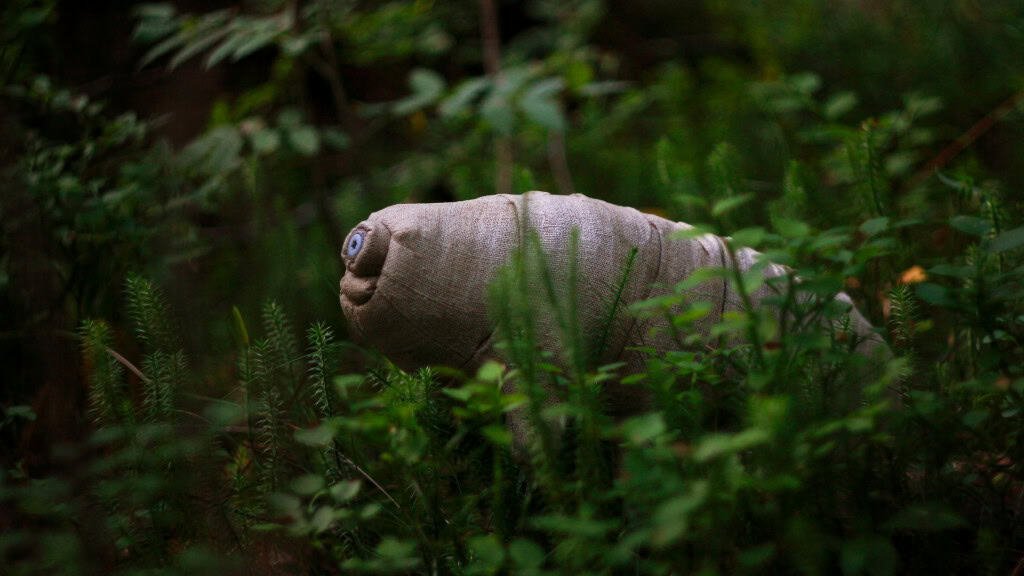
In addition, the lunar conditions Don’t offer you the items needed to get out of these organisms spontaneously Hibernation: lack water and heat. Thus, the only opportunity to resuscitate -the recover the intact capsule and return to the eartha task experimental and very difficult.