19th -century astronomers said that the gaseous giant did not behave as predicted by Newton’s laws
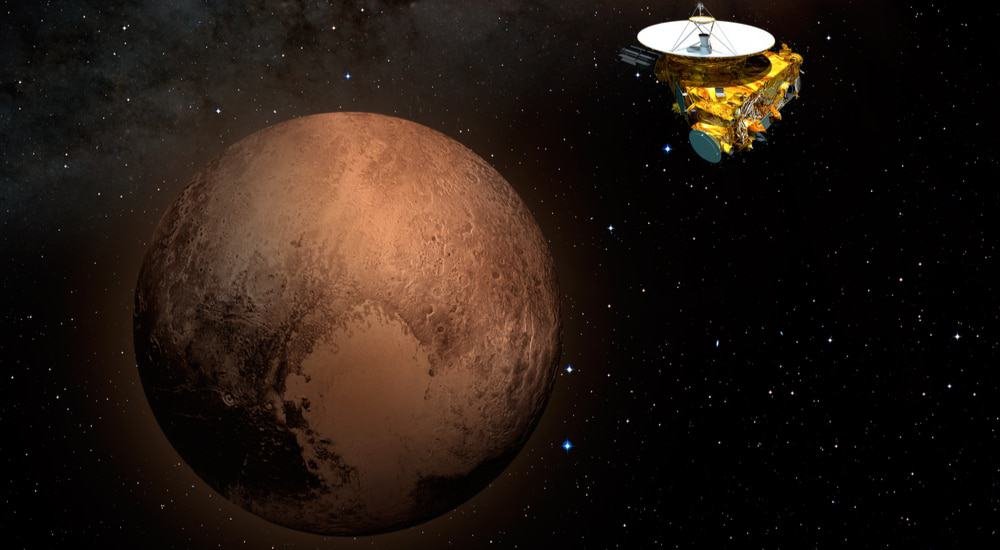
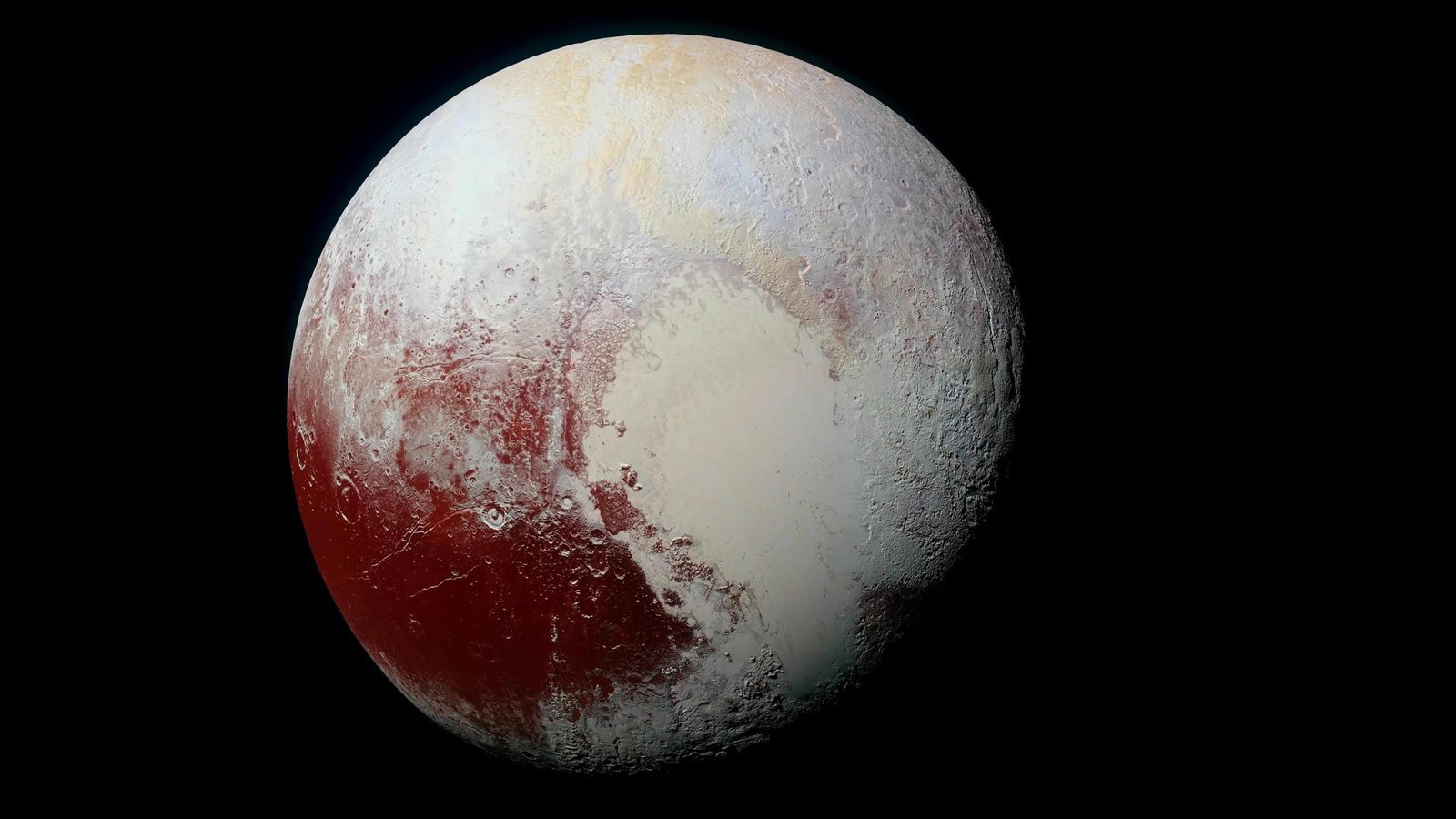
The Pluto saga began with the anomalies observed in the orbit of Uranus. 19th -century astronomers said that the gaseous giant did not behave as Newton’s laws provided. The explanation? In addition to Uranus, an unknown planet exerted a gravitational influence. This hypothesis led to the discovery of Neptune.
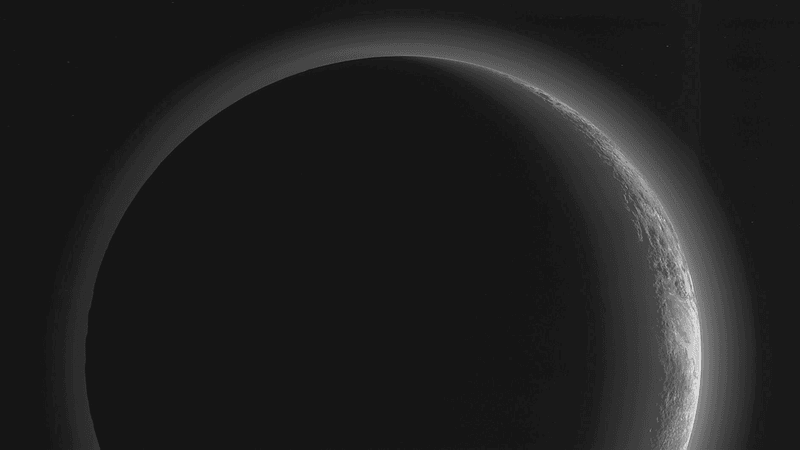
Pluto and its orbit
- However, there were still discrepancies in the orbits of Uranus and Neptune;
- Astronomer Percival Lowell has postulated the existence of an “X planet” to explain these anomalies;
- In 1930, Clyde Tombaugh, using a wink comparator (teams that quickly alternated between two images from the same sky wall), finally located in Pluto in the region planned by Lowell;
- “Pluto is orbited by five known moons, the largest of which is collected,” says NASA. “Caronte is about half the size of Pluto himself, which makes it the largest satellite compared to the planet orbiting our solar system. Pluto and Charte are usually called” double planet “;
- The joy of the discovery, however, was brief. Over time, astronomers identified other Pluto -like objects in Kuiper belt, as well as Neptune’s orbit full of cold celestial bodies. This discovery challenged the classic definition of the planet.
Read -Ne More:
In 2006, the International Astronomical Union (IAU) established new criteria for the classification of a planet. One of the criteria was that the object should have “cleaned its orbital neighborhood”. Pluto, sharing its orbit with other objects, did not meet this requirement. Thus, it was reclassified as a dwarf planet.
Pluto’s orbit is peculiar, being very elliptical and inclined in relation to the orbital plan of the other planets. “The 248-year-old Pluto Oval orbit can lead it to up to 49.3 astronomical units (au) of the sun and up to 30 bird,” says NASA.
As it marks the IflscienceThe days in Pluto take 153 hours, more or less, to finish. Its orbit is 248 terrestrial years. Therefore, neither you nor I will be alive to see him complete his first complete orbit after being discovered. Unless, until then, we can significantly increase our life expectancy. After all, astronomers estimate that this will occur on March 23, 2178.